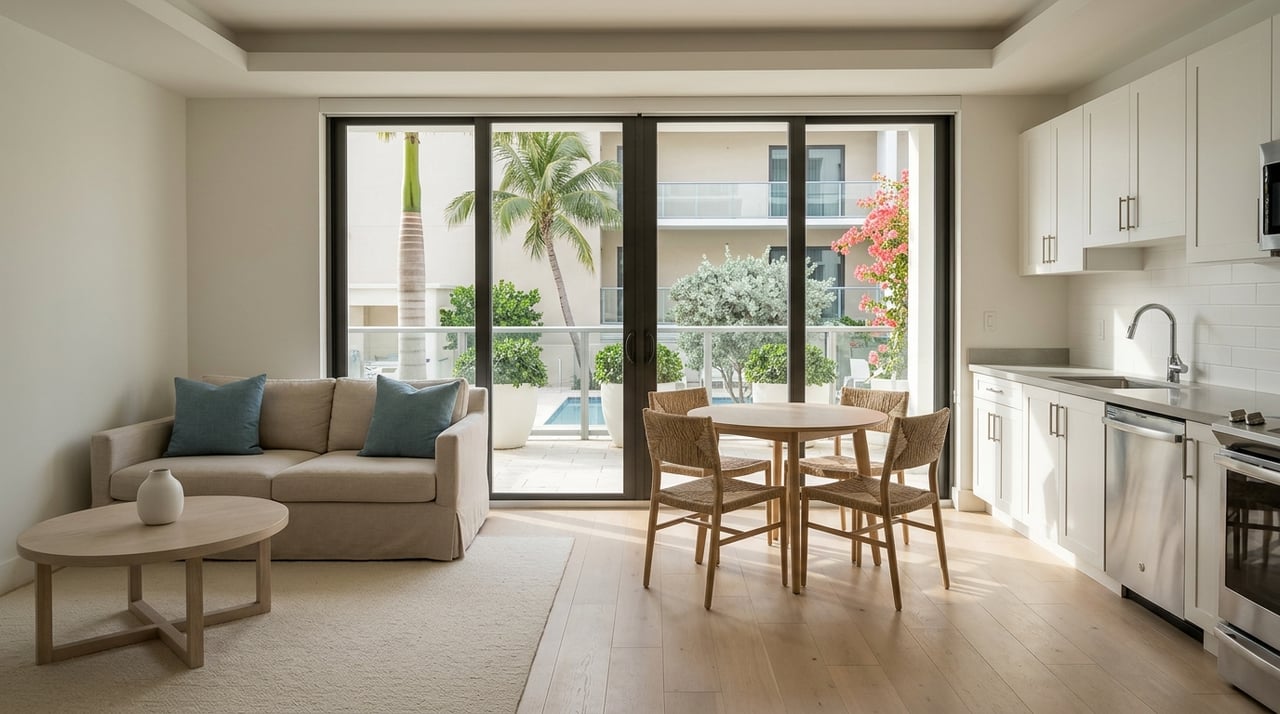
Marco Island Condo Hotel Ownership: What Buyers Should Know
June 11, 2026
June 11, 2026
Wondering whether a Marco Island condo-hotel is a smart beach purchase or a complicated lodging investment? That question matters because these properties can look like traditional condos at first glance, but they often operate under a very different set of rules. If you are considering one for personal use, rental income, or both, understanding how ownership really works can help you avoid costly surprises. Let’s dive in.
A condo-hotel on Marco Island is not simply a condo in a building that allows short stays. Under Marco Island’s land development code, transient lodging is a separate use category, and hotels, motel units, and destination resort hotels are treated differently from typical residential condominium uses.
That distinction matters because the legal and practical use of the property depends on more than the floor plan or marketing brochure. On Marco Island, local land-use rules and the condominium’s recorded documents both shape how the unit can be occupied, rented, and managed.
In plain terms, you are usually buying a condominium interest inside a property that functions within a lodging framework. That can affect owner stays, guest occupancy, rental operations, and management expectations.
Marco Island’s code defines hotel and motel units as units designed for transient occupancy and rental only, even if they include cooking or eating facilities. The code also says that a multiple-family dwelling with units rented for less than one week may be treated as a tourist home, motel, motor hotel, or hotel, and those uses are only allowed where specifically designated.
For you as a buyer, that means the building’s legal use is not a side issue. It is a core part of how the property operates and what kind of ownership experience you can expect.
This is one reason condo-hotels deserve extra due diligence. A unit may look and feel residential, but the governing framework may be much closer to hospitality than to a standard second-home condo.
Under Florida condominium law, the association operates the condominium, and the board can hire a property management firm. The declaration, articles of incorporation, bylaws, and board rules help govern how the property is run.
That means many of the rules you care about most will not come from a broad statewide condo-hotel playbook. Instead, they are usually found in the specific documents for that building and any related management agreements.
In many Marco Island condo-hotel properties, the practical details of ownership are set by the condo documents and the hotel or rental-program agreement. These documents may address personal-use windows, reservation procedures, furnishing standards, housekeeping requirements, blackout dates, and how rental income and fees are handled.
Because those terms can vary from one property to another, you should not assume one condo-hotel works like the next. The exact building documents are what matter.
Before you move forward, ask for:
If the property is a resale, Florida law requires delivery of several of these documents. In certain resale situations, buyers may also have a 7-day cancellation right if the required documents are not delivered on time.
One of the biggest misunderstandings with condo-hotels is how much personal flexibility you will actually have. Some buyers assume they can use the unit whenever they want and rent it out around their schedule. In reality, owner-use windows and rental requirements are often tightly controlled by the governing documents and management agreements.
You may find limits on how long you can stay, when you can reserve your unit, or whether high-demand dates are restricted. Some properties may also require participation in a rental program or tie owner use to operational rules designed to support lodging activity.
That is why one of your first questions should be simple: What exact dates can I use the unit for personal stays, and are there blackout periods? The answer should come directly from the declaration, rules, and rental-program documents for that property.
A condo-hotel often appeals to buyers who want lower-maintenance ownership with on-site operations. That can be a real benefit, especially if you want a professionally managed setup in a beach market like Marco Island.
Still, convenience comes with structure. Management agreements may govern booking procedures, cleaning standards, guest services, and the way income is collected and distributed.
You should also confirm whether participation in the rental program is mandatory, optional, or seasonal. That answer is property-specific, and it can materially affect both your lifestyle and your income expectations.
If your condo-hotel unit will be rented on a short-term basis, taxes are an important part of the ownership picture. Florida’s general state sales tax rate is 6%, and the Florida Department of Revenue says transient rentals in hotels, motels, apartments, condominiums, and similar accommodations for six months or less are taxable.
The department also says businesses renting short-term accommodations must register to collect and pay tax. Sales tax and any applicable discretionary sales surtax on transient rentals are reported to the state.
In Collier County, the tourist-development-tax return shows a 5% tourist tax on taxable short-term rentals. The return notes that filing options may be monthly, quarterly, semiannual, or winter-seasonal, and that returns are due on the 1st and late if not received or postmarked by the 20th day of the following month.
If you are comparing condo-hotel opportunities on Marco Island, do not focus only on nightly rates or occupancy claims. A more realistic projection should account for:
That net view gives you a much better picture of how the property may perform. Gross numbers alone can make a deal look stronger than it really is.
Your first layer of review should include the recorded declaration, bylaws, rules, annual budget, year-end financials, and FAQ sheet. These documents help explain how the community is structured, how money is being managed, and what restrictions may apply.
They can also help you spot issues such as reserve strength, operational rules, and signs of future cost pressure. For a condo-hotel buyer, that review is essential.
The rental-management agreement is often where the real economics live. It may explain fee splits, booking procedures, unit standards, owner-use restrictions, and the responsibilities of the operator.
If you are counting on rental income or even occasional flexibility, this document deserves close attention. Small details here can have a big impact on how useful or profitable the unit is for you.
Florida law gives buyers access to association official records, including plans, permits, warranties, contracts, bids, audits, reserve studies, and financial reports. The records must be maintained within the state and made available within 10 working days after a written request.
That access can help you go beyond the marketing story. It gives you a path to review the property’s operational and financial condition in a more complete way.
On a barrier island, building condition is a major part of condo due diligence. Florida requires milestone inspections for condominium buildings that are three habitable stories or more when they reach 30 years of age, and then every 10 years after that.
Local enforcement agencies may require the first inspection at 25 years in salt-water environments. That is especially relevant in coastal settings like Marco Island.
Florida also requires structural integrity reserve studies for associations with buildings three stories or higher. These studies address reserve funding for structural items and maintenance planning.
If a required milestone inspection or structural integrity reserve study has not been completed, recent sale contracts must disclose that. In some cases, a buyer may also have extended cancellation rights.
Before you commit to a Marco Island condo-hotel, make sure you can clearly answer these questions:
If any of those answers are unclear, pause and keep digging. In this category, assumptions can be expensive.
A Marco Island condo-hotel can be a strong fit if you want managed beach ownership and understand the structure going in. But these properties are not plug-and-play investments, and they are not identical to traditional condominiums.
The ownership experience is shaped by local land-use rules, condo documents, management agreements, taxes, reserve planning, and building-condition issues. If you are evaluating one, the smartest move is to study the exact property documents before relying on projected flexibility or rental income.
If you want help evaluating condo-hotel opportunities on Marco Island or comparing them to other coastal condo options, connect with Kevin Shelly Realty for local guidance grounded in Southwest Florida market experience.
Stay up to date on the latest real estate trends.


We take the time to understand your specific requirements and leverage our insights to find your dream home. Whether you’re a first-time buyer or searching for your forever home, our agents are dedicated to making your property search a success.