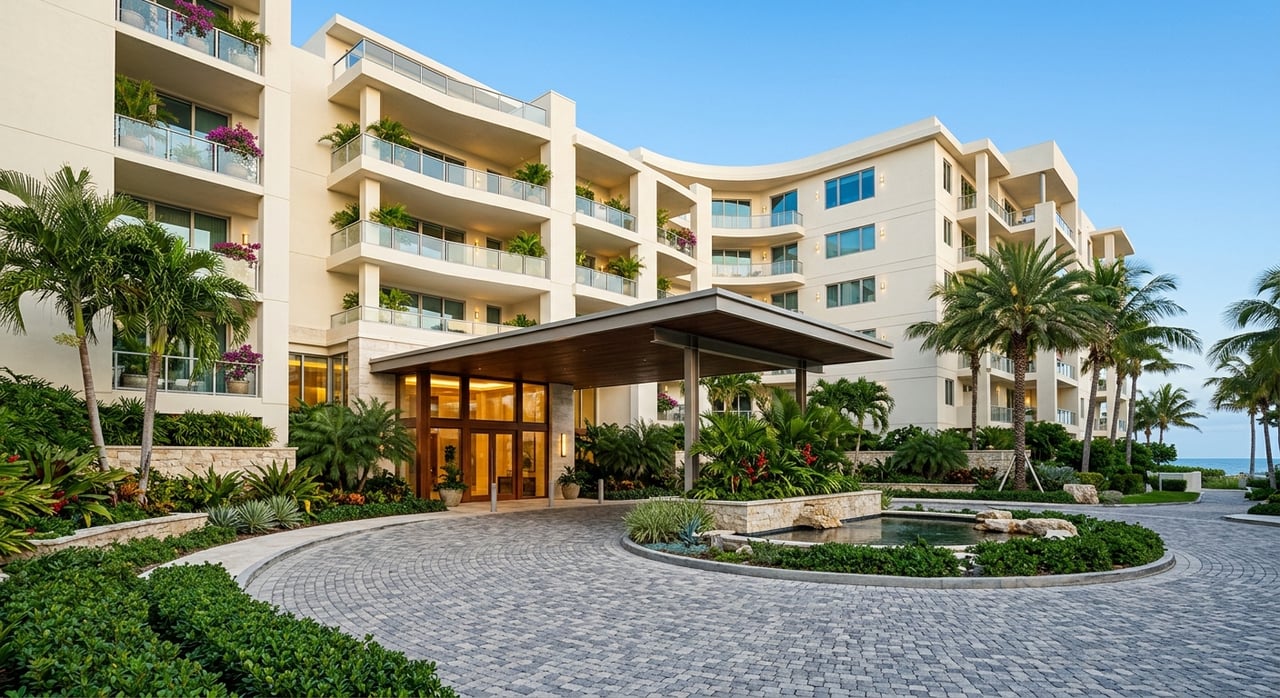
Sanibel Island Condo Rental Demand by Season
July 9, 2026
July 9, 2026
If you are looking at a Sanibel condo as a personal getaway, an income property, or both, one question matters right away: when does rental demand actually peak, and what happens the rest of the year? On Sanibel Island, seasonality shapes pricing, occupancy, and owner strategy more than many mainland markets. If you understand how the island’s travel patterns, stay lengths, and local rules work together, you can make smarter decisions with fewer surprises. Let’s dive in.
Sanibel is a barrier-island vacation market built around beaches, shelling, biking, and outdoor recreation. The island experience is a big part of the draw, with 5 public beach access points, 25 miles of paved bike paths, and a visitor culture centered on leisure travel and vacation stays. That means condo demand is tied more to travel seasons than to year-round commuter housing needs.
Lee County visitor research shows a clear seasonal pattern. Paid accommodations are strongest in winter, defined as January through March, and weakest in fall. A City of Sanibel and chamber peak-season update also noted that congestion is concentrated through April, with Saturdays often the busiest day.
Recent local dashboard data points to the same trend today. In June 2026, Sanibel sales-tax collections dropped from April to May, beach-parking revenue ran below Memorial Day weekend peaks, and causeway inbound traffic also fell. In simple terms, winter and early spring tend to bring the strongest demand, while summer softens and fall is usually quieter.
If you own or plan to buy a condo in Sanibel Isles, seasonal demand affects more than just your calendar. It can influence rental rates, booking windows, turnover schedules, and how much flexibility you may need during slower periods. A strong peak season can support higher demand for shorter stays, while shoulder months may require a different pricing or marketing approach.
This is why Sanibel is not just a high-season versus low-season market. It is also a market where owners often adjust strategy by time of year. During busy months, weekly turnover may be more realistic, while quieter periods may favor longer bookings or more flexible terms where permitted.
Sanibel’s local code draws an important line around short-term stays. The city defines resort housing as structures with units rented for periods of less than four consecutive weeks. The city also defines rental broadly to include advertising, arranging, contracting, or otherwise making a unit available for a finite period in exchange for payment.
That matters because many Sanibel condo rentals are part of a regulated seasonal and transient market. They are not treated the same way as a traditional long-term lease. For buyers and investors, this is one reason you need to look closely at how a specific condo can be used before you count on rental income.
The local visitor market supports several stay lengths. Sanibel’s visitor guide notes that guests may stay nightly, weekly, bi-weekly, or monthly, and local rental marketing still shows weekly and monthly options across the island. Some condos also continue to use 7-night minimums or Saturday-to-Saturday booking patterns, which is common in vacation-oriented inventory.
Length of stay can shape demand just as much as season. In peak season, many guests are comfortable booking a full week, especially when they are planning a beach trip built around shelling, biking, and time outdoors. That can make weekly bookings attractive for owners when demand is strongest.
In softer periods, longer stays may help fill the calendar. Some owners look for monthly or extended seasonal bookings when weekly traffic eases. The exact fit depends on the condo’s rules, zoning, and association documents, but the broader pattern is clear: occupancy strategy on Sanibel often changes with the season.
On Sanibel, guests are often choosing a condo for lifestyle and convenience. Beach access, shelling beaches, bike paths, nearby dining, and access to outdoor recreation all support the island’s appeal. The chamber also highlights over 50 restaurants, beach parking, and pet-friendly accommodations as part of the visitor experience.
Inside the condo itself, certain features show up again and again in local rental inventory. Common guest-friendly features include:
These are not official requirements, but they help explain why many travelers choose a condo over a hotel-style stay. Guests are often booking a full island experience, not just a place to sleep. The easier your condo makes beach days, biking, and longer stays, the more it may align with what travelers already want from Sanibel.
Sanibel’s appeal is deeply experiential. People come for sunsets, shelling, low-density beach access, and time outdoors. Because of that, convenience features can carry real weight in guest decision-making.
A screened lanai, a washer and dryer, or easy beach access may sound simple, but those details can support a smoother stay. For an owner or buyer, this is where product type matters. A condo that fits how guests actually use the island may be better positioned than one that looks good on paper but feels less practical during a weeklong or seasonal trip.
Before you buy a condo with rental plans in mind, take the rule side seriously. The City of Sanibel says businesses based on the island, including short-term rentals and even residential annual leases, must obtain a Business Tax Receipt before commencing business. Off-island businesses need a Business Tax Registration, and renewals are handled annually by September 30.
Taxes are another core part of the planning conversation. Florida imposes a 6% state transient-rentals tax on qualifying accommodations. In Lee County, the clerk’s guidance references a 6.5% Florida sales tax total when including the county surtax, plus a 5% tourist development tax for short-term stays.
The Lee County Clerk also states that the 5% tourist development tax applies to rentals of six months or less. In some cases, booking platforms may collect and remit the county tax, but that does not remove the need to confirm exactly who is responsible. If you are modeling income, tax handling should be part of the numbers from day one.
This is one of the biggest points for investors and second-home buyers. Even if a condo seems like a strong rental fit, you still need to verify the declaration, bylaws, association rules, zoning status, and any minimum-stay requirements. Florida law requires unit owners, tenants, and invitees to comply with condominium documents, and those bylaws are incorporated into a lease.
Sanibel’s city code also notes that some properties in the resort-housing district were developed with rental restrictions that prohibit resort-housing use. In practical terms, you should never assume every condo can be rented freely just because it is on Sanibel. The right property for your goals is the one that matches both market demand and the legal framework around that specific building.
Because Sanibel rentals can involve local licensing, tax remittance, condo-board compliance, and zoning review, many owners benefit from a coordinated plan. The Lee County Clerk notes that a dealer or manager can handle tourist-development-tax filing for owners in some cases. Even so, owners still need clarity on responsibilities based on how the property is booked and managed.
For buyers, that means due diligence should go beyond the view and the floor plan. You want to know how the condo can be used, what stay lengths are allowed, what demand looks like by season, and what operating obligations come with ownership. That kind of local review can make the difference between a property that fits your goals and one that creates avoidable friction.
If you are evaluating condo rentals in Sanibel Isles, keep these points in mind:
Sanibel can offer a compelling mix of personal use and rental potential, but success usually comes from understanding the local rhythm of the island. Seasonality is not a side note here. It is a central part of how the condo market works.
If you want help comparing Sanibel condo options, reviewing rental fit, or narrowing down properties that match your goals, connect with Kevin Shelly Realty. You will get local guidance rooted in Southwest Florida market knowledge and a practical view of what to look for before you buy.
Stay up to date on the latest real estate trends.
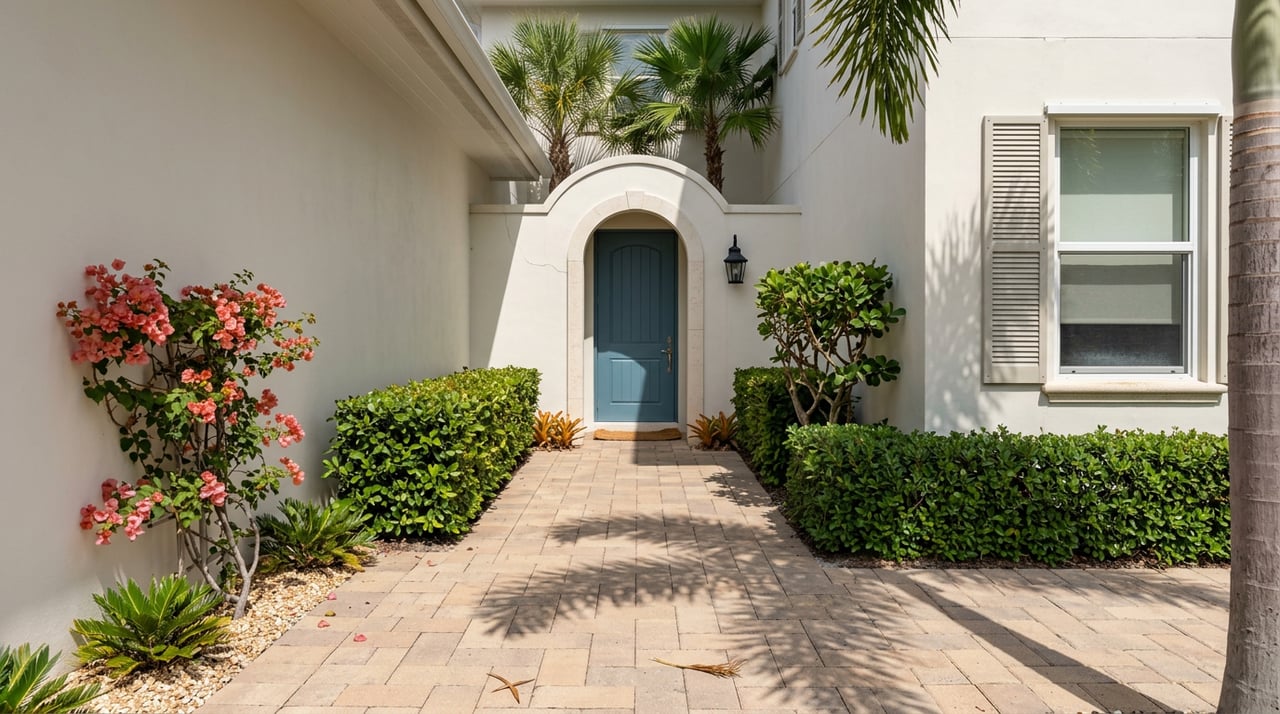
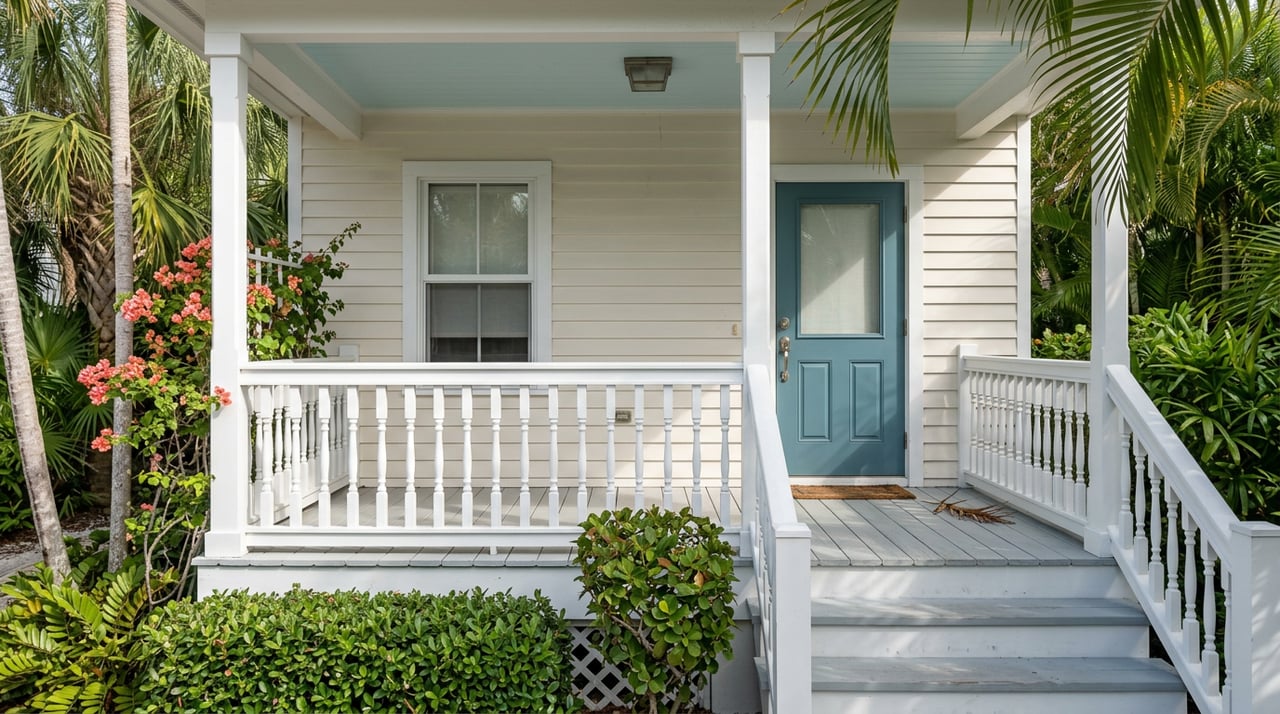
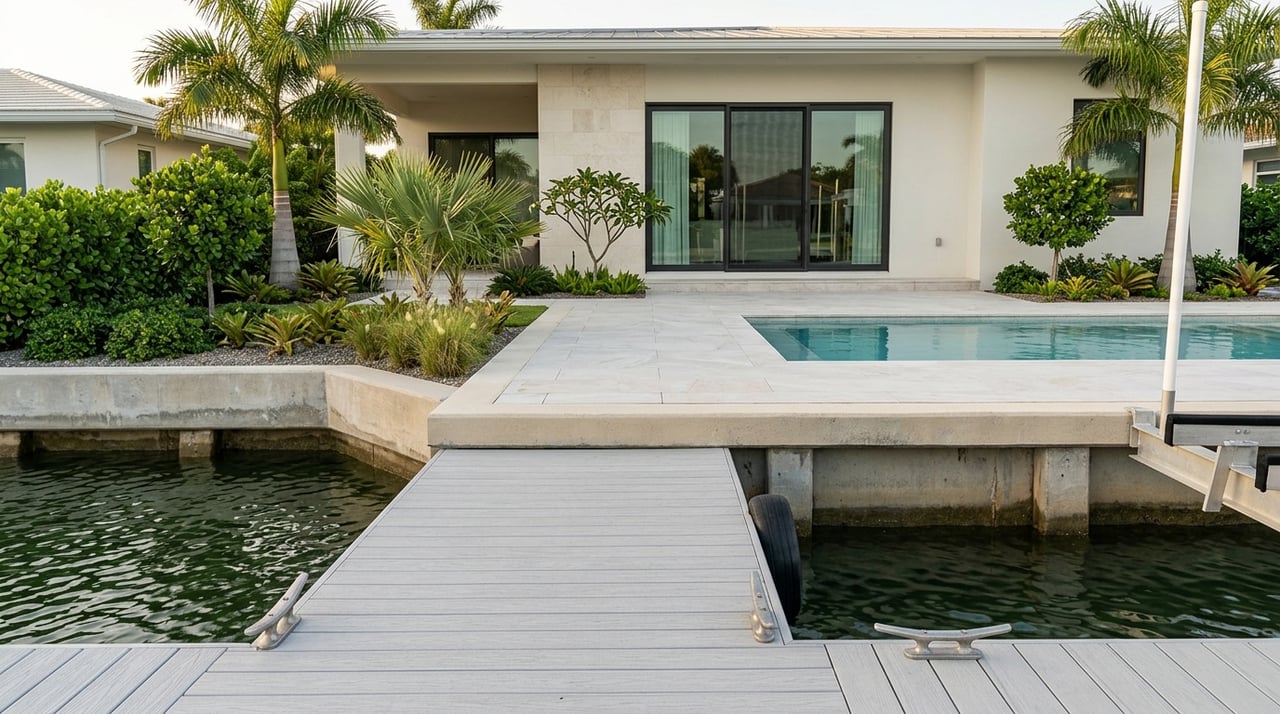

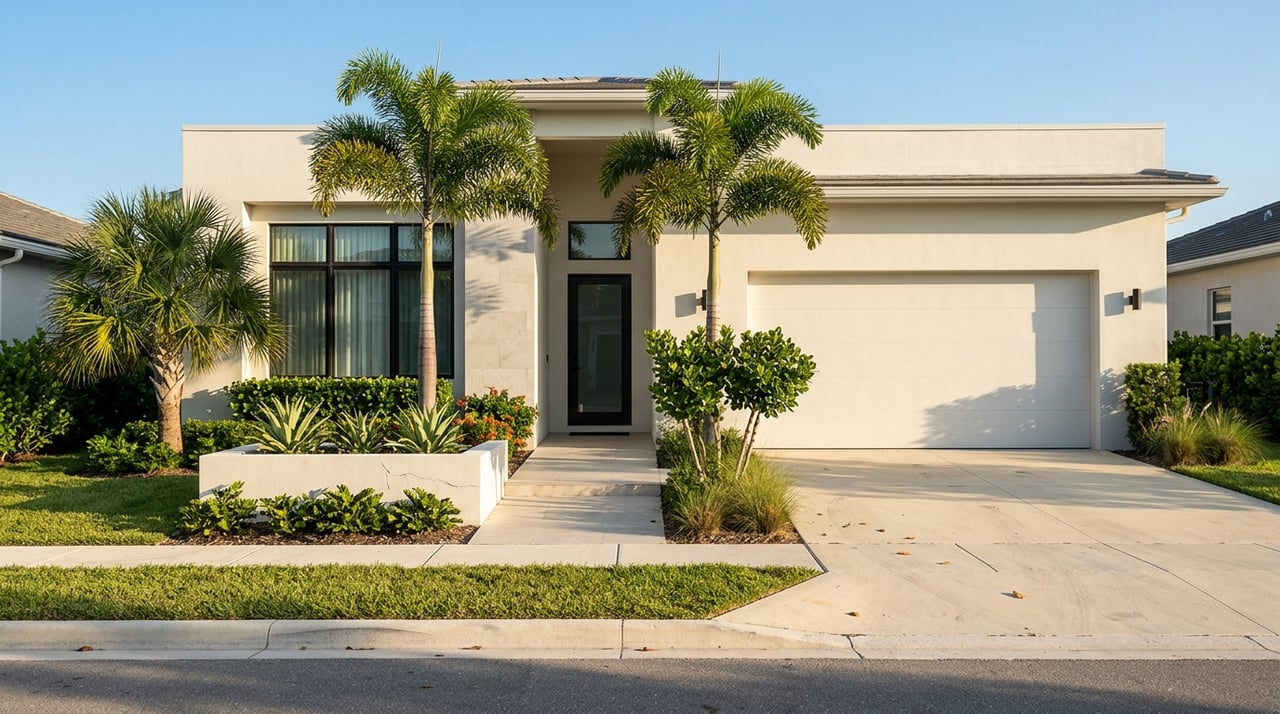
We take the time to understand your specific requirements and leverage our insights to find your dream home. Whether you’re a first-time buyer or searching for your forever home, our agents are dedicated to making your property search a success.