Selling A Home In Estero’s Gated Communities
June 25, 2026
June 25, 2026
If you are selling a home in one of Estero’s gated communities, you are not just putting a house on the market. You are selling a full ownership package that includes the home, the monthly costs, the amenities, and the community rules. That can work in your favor, but it also means buyers tend to compare details closely. With the right pricing, prep, and paperwork, you can make your home easier to understand and easier to buy. Let’s dive in.
Estero sits in a higher-priced segment of the Lee County market. Current market data shows a median listing price of $532,500 in Estero, compared with $394,994 across Lee County. Estero also has 953 homes for sale and a median of 84 days on market, while Lee County has a median of 83 days on market.
That tells you something important. Buyers in Estero have options, and many will compare gated communities side by side before making an offer. In a market where the countywide sale-to-list ratio is 96%, pricing discipline still matters because buyers may expect room to negotiate.
In gated and amenity-driven communities, buyers are usually looking beyond the walls of the home. They are also weighing association dues, amenity access, assessments, and any rules that affect ownership. In practical terms, they are pricing the lifestyle as much as the property itself.
That is why an asking price should make sense in the context of the total monthly carrying cost. A home with strong amenities may attract attention, but buyers will still look at how those amenities affect the budget. If your community includes clubs, pools, golf, or other recreational features, clear information helps buyers understand the value.
Before your home goes live, it helps to think like a buyer. In Estero’s gated neighborhoods, buyers often compare:
When you make these points easy to understand, you reduce friction during showings and negotiations.
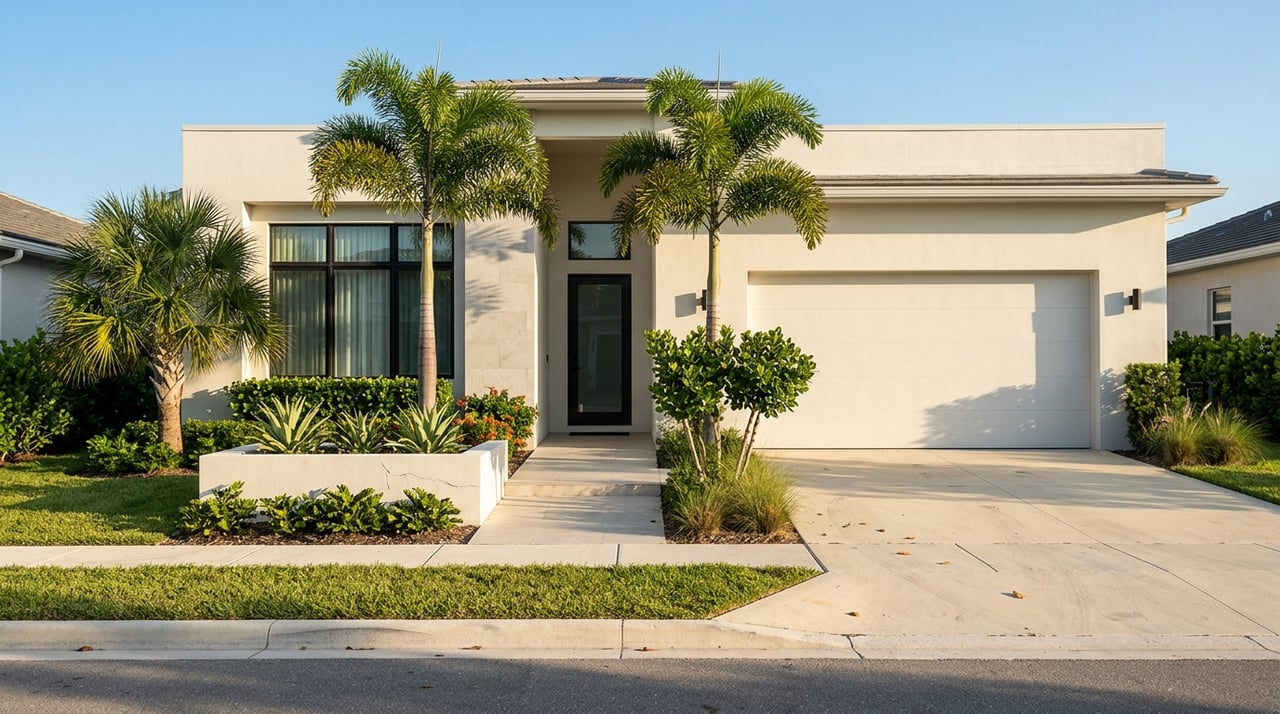
Curb appeal matters in any sale, but it carries extra weight in gated communities where exterior standards are often more defined. Fresh paint, neat landscaping, clean screens, shutters, and well-kept entries can shape a buyer’s first impression before they ever step inside. In a controlled-access neighborhood, buyers tend to notice consistency and upkeep right away.
Florida law limits architectural review authority to what the declaration or published guidelines allow, and those standards must be applied reasonably. For you as a seller, the takeaway is simple: if you have made exterior changes, or are planning them before listing, confirm they are consistent with your community’s recorded standards.
The cleanest listings often answer obvious association questions before marketing begins. Before photography or staging, review visible items such as:
If something looks unfinished, unapproved, or out of step with community guidelines, buyers may hesitate. Handling those issues early can help your listing feel more polished and predictable.
One of the biggest mistakes sellers make is assuming all gated-community transactions work the same way. In Florida, HOA homes and condominium resales have different disclosure requirements. That difference can affect timing, paperwork, and even a buyer’s cancellation rights.
For HOA properties, a prospective buyer must receive a disclosure summary before signing. If that summary was not delivered before contract execution, the buyer can cancel within 3 days after receiving it or before closing, whichever comes first.
Condominium resales require a larger document package. The seller must provide current governing documents, financial information, the budget, the FAQ document, a governance form, and certain building-related documents if applicable, including milestone-inspection and structural-integrity reserve study information.
Florida law gives condo buyers a possible 15-day closing extension after receiving certain milestone, turnover, or structural-integrity documents if they request that extension in writing. That means missing or delayed documents can create avoidable closing stress.
If your Estero property is a condo, document prep should start early. Waiting until you are under contract can slow the sale and create uncertainty for both sides.
An estoppel certificate is one of the most important closing items in an HOA or condo sale. This document can show unpaid assessments, transfer fees, violations, transfer-approval requirements, and right-of-first-refusal issues. Buyers and title companies rely on it to confirm what is owed and what conditions may affect the transfer.
Under Florida law, associations must issue estoppels within 10 business days after a proper request. Standard fees are generally capped at $250, with an additional $100 allowed for expedited delivery in many cases.
When the estoppel arrives, review it carefully for accuracy. Pay close attention to:
Finding a problem early is much better than discovering it just before closing.
In Estero’s gated communities, documentation is part of the product. Buyers want to know what they are buying, what it costs to own, and what rules apply after closing. A complete document package helps answer those questions with confidence.
For larger HOAs, Florida law requires official records to be maintained in the state and made available within 10 business days of a written request. The annual budget must also separately identify fees or charges paid for recreational amenities. That matters in communities where amenities are a major part of value.
Before listing, try to gather or request:
When buyers can review clear documents early, they are often better prepared to move forward.
Seasonality still matters in Lee County. County planning material has described the area as a seasonal market, with snowbird season typically running from October or November through April or May. A county estimate also found that about 23% of homes were primarily used for occasional, recreational, or seasonal use.
That pattern affects traffic, buyer activity, and how quickly your listing may gain attention. Florida Realtors also notes that winter is traditionally a slower season for home sales, while spring often brings more demand and more competition.
If you have flexibility, timing can support your strategy. Realtor.com’s 2026 Best Time to Sell reporting says the week of April 13 through 19 has historically offered more views, less competition, and faster sales nationally. That does not mean every Estero home should list then, but it is a useful reference point.
Many sellers try to be photo-ready before seasonal residents return, or they aim to capture stronger spring traffic. The best timing depends on your home, your community, and how prepared you are to launch with strong marketing.
Showing logistics can make or break momentum in a gated community. If buyers, agents, or guests struggle with gate entry, visitor registration, or parking, the experience starts with friction. In a market where buyers are comparing multiple homes, convenience matters.
Because governing documents and estoppel information may reveal approval requirements, access rules, or transfer conditions, it is smart to confirm the practical details before the first showing. Clear instructions help your home show smoothly and keep interest from slipping away.
Before your listing goes live, verify:
These details may seem small, but they shape how easy your home is to see and how confident buyers feel moving ahead.
The strongest listings in Estero’s gated communities usually have three things in place from day one: realistic pricing, complete association documentation, and smooth showing logistics. When those pieces work together, buyers spend less time guessing and more time focusing on the value of your home.
That is especially important in a market where buyers can compare condition, dues, amenities, and rules across many options. A polished launch can support better interest, fewer surprises, and a more efficient path to closing.
If you are preparing to sell in Estero, a local plan matters. From pricing in an amenity-driven community to organizing HOA or condo documents and presenting the property professionally, the details can have a real impact on your result. When you are ready for expert guidance and hands-on seller support, connect with Kevin Shelly Realty.
Stay up to date on the latest real estate trends.









We take the time to understand your specific requirements and leverage our insights to find your dream home. Whether you’re a first-time buyer or searching for your forever home, our agents are dedicated to making your property search a success.