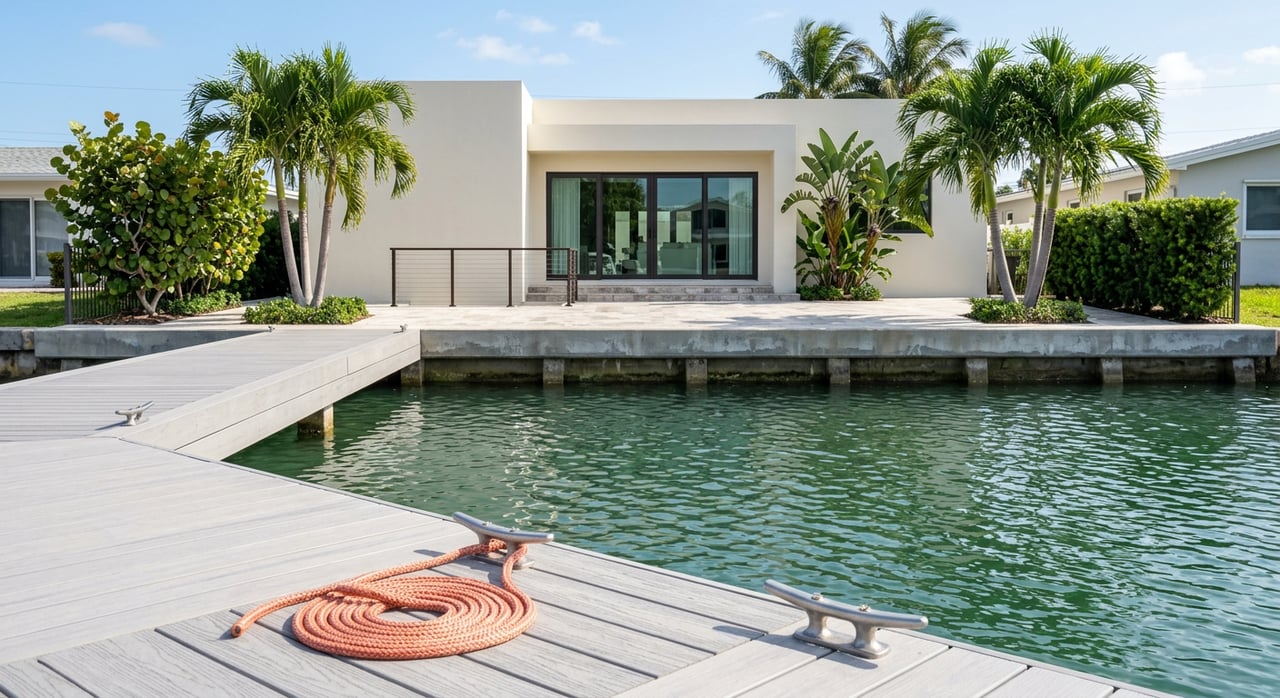
Trying to choose between a canal-front home and an off-water property in Cape Coral? You’re not alone. The city’s famous canal system makes this a real choice with real tradeoffs. You want the lifestyle you picture, without surprises on cost, insurance, or permits. In this guide, you’ll get a clear, Cape Coral–specific snapshot of what changes when you go waterfront, how off-water compares, and a simple due-diligence checklist to protect your budget. Let’s dive in.
Cape Coral’s canals at a glance
Cape Coral is built around water. The city features more than 400 miles of canals and an active boating culture with public boat ramps and marine services. You can review city amenities and waterfront access on the City of Cape Coral’s site, which highlights local waterways and ramps for residents and visitors. You can also confirm the canal-rich context through the city’s parks and recreation pages that cover waterfront amenities and access. Learn more about the network and ramps on the city’s pages for beaches and waterfront access at the City of Cape Coral.
What “waterfront” means here
Not all Cape Coral canals are the same. When you compare homes, be specific about the water type and access:
Gulf-access, sailboat-friendly
- No low fixed bridges on the route to the Caloosahatchee River and San Carlos Bay.
- Works for taller boats and sailboats.
- Often commands the highest price premium.
Gulf-access, bridge-restricted
- One or more low bridges limit boat height.
- Suits many powerboats and pontoons.
- Typically priced below sailboat-access routes, yet still valued by boaters.
Freshwater canals
- Scenic canals and lakes with no Gulf access.
- Lower corrosion exposure on hardware, and fewer boating-related costs.
- Primarily about views and backyard enjoyment.
Cost differences to expect
Waterfront living is a lifestyle choice and a budget choice. Here are the main cost drivers to weigh.
Purchase price and value
- Waterfront homes usually carry a premium over off-water homes. The size of that premium depends on access type, location, home condition, and the status of the seawall, dock, and lift.
- Market conditions shift. Cape Coral saw pandemic-era gains followed by a correction and increased listing activity. Treat any price snapshot as time-sensitive, and compare true apples-to-apples comps by waterfront subtype rather than citywide averages.
Insurance and flood risk
- If a home is in a FEMA Special Flood Hazard Area, most lenders require flood insurance. You can check a property’s flood zone and base flood elevation using Lee County’s Find My Flood Zone and FEMA map resources for elevation and letters of map change at the FEMA Map Service Center.
- In Florida, property insurance pricing has been volatile, and premiums are highly property-specific. Roof age, construction year, wind mitigation, and elevation all matter. For context on statewide insurance trends, the Florida Office of Insurance Regulation provides updates and guidance at the Florida OIR.
- Flood insurance is separate from a homeowners policy. Typical NFIP premiums can land in the mid-thousands or under in Cape Coral depending on elevation and zone, but quotes vary widely. Use a current NFIP and private-market quote for the exact address, as explained in this NerdWallet overview of Florida flood insurance.
What this means for you: canal-front homes can cost more to insure than similar off-water homes, especially in AE or VE zones. Always get actual quotes during your inspection period.
Waterfront upkeep: seawalls, docks, lifts
A canal-front lot adds water-based infrastructure that needs care and budget.
Seawalls and lifespan
- Reinforced concrete seawalls are commonly expected to last about 30 to 50 years when properly maintained. Marine contractors recommend regular inspections to catch issues before they turn into failures. See common failure signs in this guide from Seawall Savers.
Seawall costs and inspections
- Replacement costs often range from about 150 to 600 dollars per linear foot depending on material, height, access, and site conditions. Inspections typically run a few hundred dollars. For ballpark figures and variables, review this cost overview from HomeGuide.
Docks and boat lifts
- Expect a wide range. Basic lifts can come in under five figures, while larger-capacity systems with electrical work can reach into the mid five figures or more.
- Factor in periodic maintenance, electrical components, and potential pile or tie-back repairs.
Saltwater vs freshwater exposure
- Saltwater and brackish canals speed up corrosion of metal tie-backs, lift hardware, and fasteners. Freshwater reduces some of that wear. Water chemistry directly affects long-term maintenance, as documented in studies on saline intrusion and corrosion found via Science.gov.
Bottom line: if you buy waterfront, budget for seawall and dock upkeep, and have both inspected by a licensed marine professional before you close.
Permits and rules to expect
Work in or over the water almost always requires permits. In Cape Coral, plan for a multi-agency process.
Who reviews your project
- City of Cape Coral building and permitting for docks, lifts, and seawalls. Start with the city’s permitting resources at the City of Cape Coral Permitting.
- Florida Department of Environmental Protection for Environmental Resource Permits and, where applicable, state-owned submerged lands authorization. See the South District’s permitting resources at the Florida DEP South District Permitting.
- Federal review by the U.S. Army Corps of Engineers may be needed in some cases.
Practical tips
- Ask sellers for the full permit history on any seawall, dock, or lift work, and verify that permits were properly closed.
- Some stabilization or replacement-in-kind projects may qualify for streamlined options, but these rules are site-specific. When in doubt, ask city and state permit staff before you plan improvements.
Boating and lifestyle tradeoffs
For many buyers, “minutes to open water” matters. Here is how day-to-day use can differ.
If you buy canal-front
- You can keep your boat at home if the dock and lift are ready for your vessel.
- Confirm the route to the Caloosahatchee River: check fixed bridges and posted clearances, canal widths, turn radii, and typical channel depths at low tide. If you have a sailboat or tall cabin cruiser, verify there are no low bridges along your route.
- Expect more time and money on maintenance, from lift cables to dock boards.
If you buy off-water
- You skip seawall and dock costs and often pay less for insurance and maintenance.
- You can still enjoy the water by trailering to public ramps. The city lists ramp locations and waterfront amenities on its parks and recreation pages.
- Your budget may stretch to a newer home, larger lot, or closer-in neighborhood for the same price.
Which option fits you
Consider your must-haves, nice-to-haves, and tradeoffs.
- Pick canal-front if you plan to boat often, want to fish from your backyard, or prioritize water views and direct access. Pay close attention to seawall condition, flood zone, and bridge restrictions.
- Pick off-water if you prefer lower monthly costs, fewer permits, and more interior space or newer finishes for your dollar. Use public ramps for weekend boating.
- If you are a serious sailor or large-boat owner, focus your search on sailboat-access corridors. If you are a casual boater with a center console or pontoon, many bridge-restricted routes can still fit your lifestyle.
Neighborhood note: buyer preferences vary widely within Cape Coral, from sailboat-friendly pockets near the Yacht Club corridor to amenity-rich areas around Cape Harbour and Tarpon Point, and more inland neighborhoods with good value. Match your shortlist to your boat type, commute, and lifestyle.
Resale considerations to protect value
If resale is important to you, inspect and document these items up front.
- Water access type: direct Gulf or sailboat access typically carries the strongest appeal, followed by bridge-restricted access, then freshwater canals.
- Seawall condition: ask for permits and any engineer reports, and obtain a marine inspection. See warning signs in this seawall guide.
- Flood zone and elevation: confirm the FEMA panel, zone, and first-floor elevation using FEMA resources.
- Roof age and code era: post-2002 Florida code features can improve insurability and buyer confidence. For statewide insurance context, see the Florida OIR.
- Dock and lift authorization: confirm permits and any required state approvals via the Florida DEP South District.
Your Cape Coral buyer checklist
Use this short list during your due-diligence window.
- Flood-zone lookup: confirm the parcel’s FEMA panel, base flood elevation, and zone status through Lee County’s Find My Flood Zone and FEMA’s map guidance.
- Flood insurance quotes: obtain current NFIP and private-market quotes for the address. For context on how pricing works in Florida, see this overview from NerdWallet.
- Seawall and dock inspection: hire a licensed marine inspector. Review structural findings and budget ranges. Start with this seawall maintenance checklist.
- Permit history: request the seller’s permit records and verify through the City of Cape Coral Permitting. Confirm all prior work was permitted and closed.
- Boating route check: verify bridge clearances, canal widths, and typical depths along your route to the river or bay.
- Homeowners and wind quotes: secure updated quotes, including hurricane deductibles. For market context and reforms, check the Florida OIR.
- Storm and claims history: ask for disclosures on any prior seawall, dock, or flood damage and review repair receipts.
Choosing canal-front or off-water in Cape Coral comes down to how you want to live, how often you will use a boat, and how you want to allocate your budget across insurance, upkeep, and interior features. With clear priorities and a solid due-diligence plan, you can land a home that fits your lifestyle without surprises.
If you want local, hands-on guidance, our team is ready to help you compare neighborhoods, evaluate seawall and permit records, and negotiate with confidence. Reach out to Kevin Shelly Realty to start your Cape Coral search today.
FAQs
What is the difference between Gulf-access and freshwater canals in Cape Coral?
- Gulf-access canals connect to the Caloosahatchee River and San Carlos Bay, sometimes with low bridges that limit boat height, while freshwater canals offer views and backyard enjoyment without saltwater or Gulf access.
How much does a seawall cost to replace in Cape Coral?
- Costs commonly range from about 150 to 600 dollars per linear foot depending on material, height, access, and water conditions, with inspections typically a few hundred dollars, based on HomeGuide’s cost overview.
Do I need flood insurance for a canal-front home in Cape Coral?
- If your home sits in a FEMA Special Flood Hazard Area, lenders typically require flood insurance; verify your zone and elevation using Lee County’s Find My Flood Zone and FEMA map resources.
What permits are needed to add a dock or boat lift in Cape Coral?
- You will work with the City of Cape Coral for building permits and may need authorization from the Florida DEP for work affecting state-owned submerged lands; complex projects can also involve the U.S. Army Corps of Engineers.
How can I enjoy boating without buying a waterfront home in Cape Coral?
- Use public boat ramps and marinas listed on the city’s waterfront pages to trailer your boat and avoid seawall and dock maintenance.
Are waterfront homes harder to insure than off-water homes?
- They can be, especially in higher-risk flood zones or at lower elevations; premiums are property-specific, so always obtain both homeowners and flood quotes early in your inspection period.