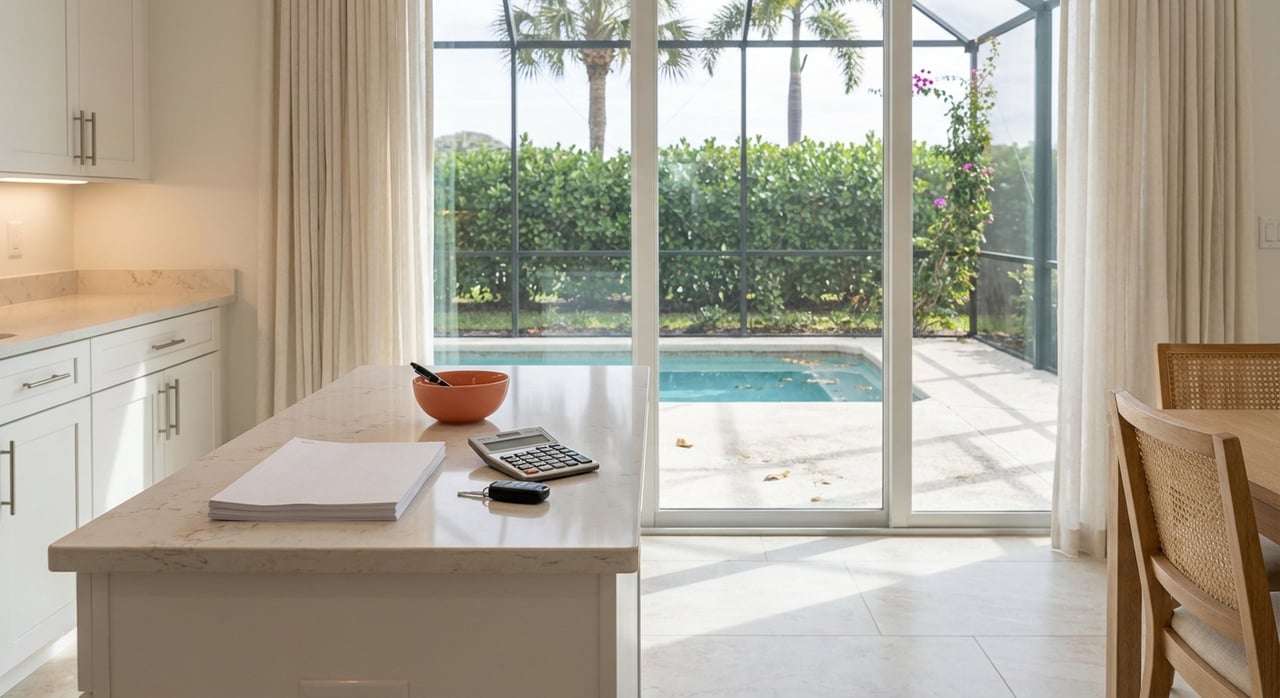
Marco Island Vacation Rental Investing: Buyer’s Guide
February 19, 2026
February 19, 2026
Thinking about buying a Marco Island place you can enjoy and also rent to vacationers? You’re not alone. The island’s beaches, boating, and winter sunshine make it a magnet for travelers, but smart investors know the numbers and the rules matter as much as the view. In this guide, you’ll learn the current licensing and tax basics, what demand and seasonality look like, which property types fit different goals, and a step-by-step way to underwrite a deal with confidence. Let’s dive in.
Marco Island attracts travelers for beach time, shelling, fishing, and boating, with peak demand during winter months. The island’s beaches and access points are a major draw, which supports consistent leisure travel and premium winter pricing. You can get a feel for the area’s beach access and amenities from resources like the overview of Marco Island’s beaches and activities.
Market-level indicators from vacation-rental data aggregators show strong but seasonal performance. A recent snapshot estimated a last-12-month average daily rate in roughly the mid 300s to low 400s, with occupancy in the mid 60 percent range. Expect January through March to run materially higher than the annual average. For a quick look at current market-level estimates, review the Marco Island summary on StayStra.
What this means for you: winter can feel like a sprint, while summer and early fall require smart pricing, minimum-stay rules, and targeted marketing to keep calendars full.
Buying for vacation-rental use means getting the legal and tax pieces right. Here is what to confirm early.
Florida requires most whole-unit short-term rentals to hold a vacation rental license through the Department of Business & Professional Regulation. Licenses have safety and inspection requirements, and buildings with certain features may have additional inspections. Review the state’s guidance and forms on the Florida DBPR Hotels & Restaurants page, and confirm whether the property needs a vacation rental classification.
Collier County adopted a short-term vacation-rental registration program for unincorporated areas. Properties inside the City of Marco Island are exempt from that county ordinance, which means Marco Island addresses follow state rules, city code where applicable, and county tax requirements. Always verify if the property sits within city limits or unincorporated Collier County by reviewing the Collier County short-term rental registration page.
Marco Island explored a local registration program after 2022, but the program was later nullified after state action, and the city halted it and refunded fees. You can read a summary of that history in Gulfshore Business’ coverage of the ordinance’s nullification. Bottom line: confirm the city’s current code before assuming a local registration exists.
Short-term stays under six months are typically subject to Florida’s 6 percent state sales tax plus Collier County’s Tourist Development Tax, which has been 5 percent. Together, this commonly totals about 11 percent for lodging. Always check current county surtaxes and requirements on the Florida Department of Revenue’s local option taxes overview.
Some booking platforms collect and remit certain taxes in specific jurisdictions. That varies by platform and address, and you remain responsible for correct filings. A local compliance summary, including platform collection context, is available in this Marco Island short-term rental guide. Confirm which taxes your platform handles and which you must register and remit yourself.
If you are considering a condo, understand Florida’s updated condominium safety and reserve laws. After the Surfside tragedy, the state enacted milestone inspection and Structural Integrity Reserve Study requirements for many buildings three stories or taller. These rules can lead to mandatory reserve funding and potential special assessments, especially in older beachfront towers. Before you write an offer, ask whether the building has completed its required inspections or reserve study and whether any capital projects or assessments are approved or forecasted. For background on the statute and its implications, see the Florida Bar’s analysis of the post-Surfside laws.
The right property depends on your budget, timeline, and the guests you want to serve.
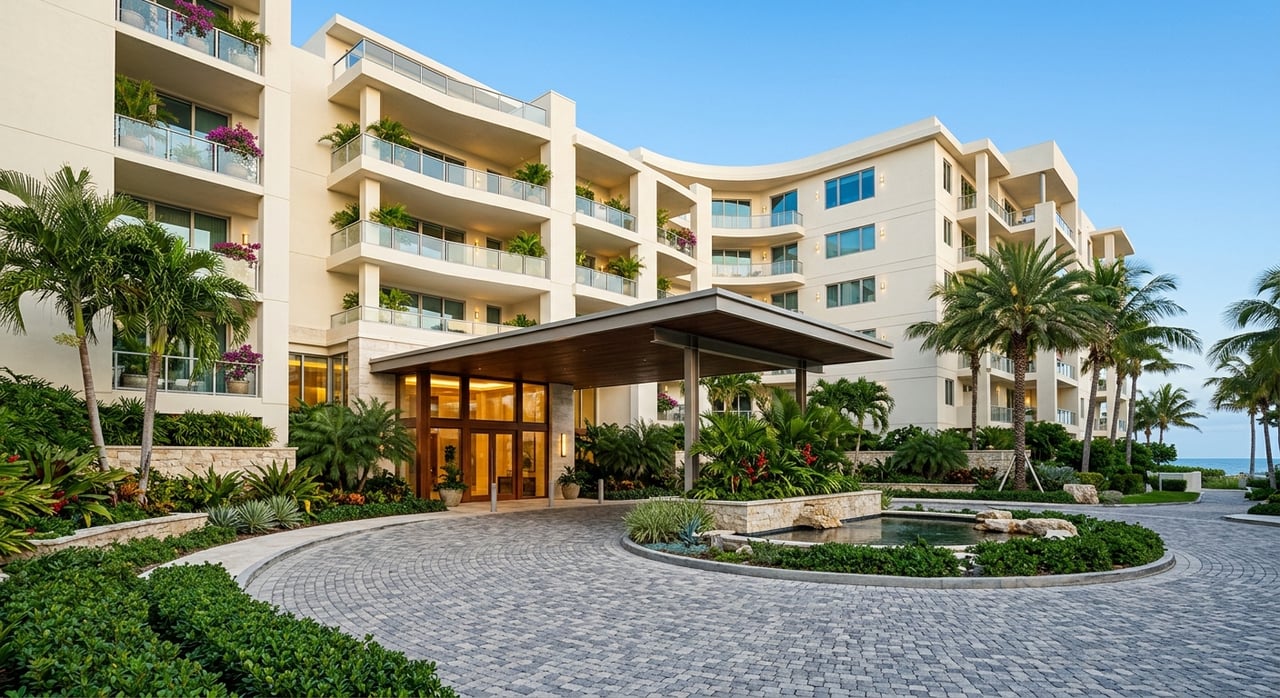
Condos usually have lower entry prices than single-family waterfront homes and come with amenities such as pools, fitness rooms, and in some cases beach access and security. Many complexes permit weekly rentals, which align with vacation demand. That said, HOA dues are higher, and associations can restrict rental windows or minimum stays. The new inspection and reserve rules can also mean special assessments in older buildings. Condos tend to fit buyers who want a lower-maintenance asset with broad traveler appeal.
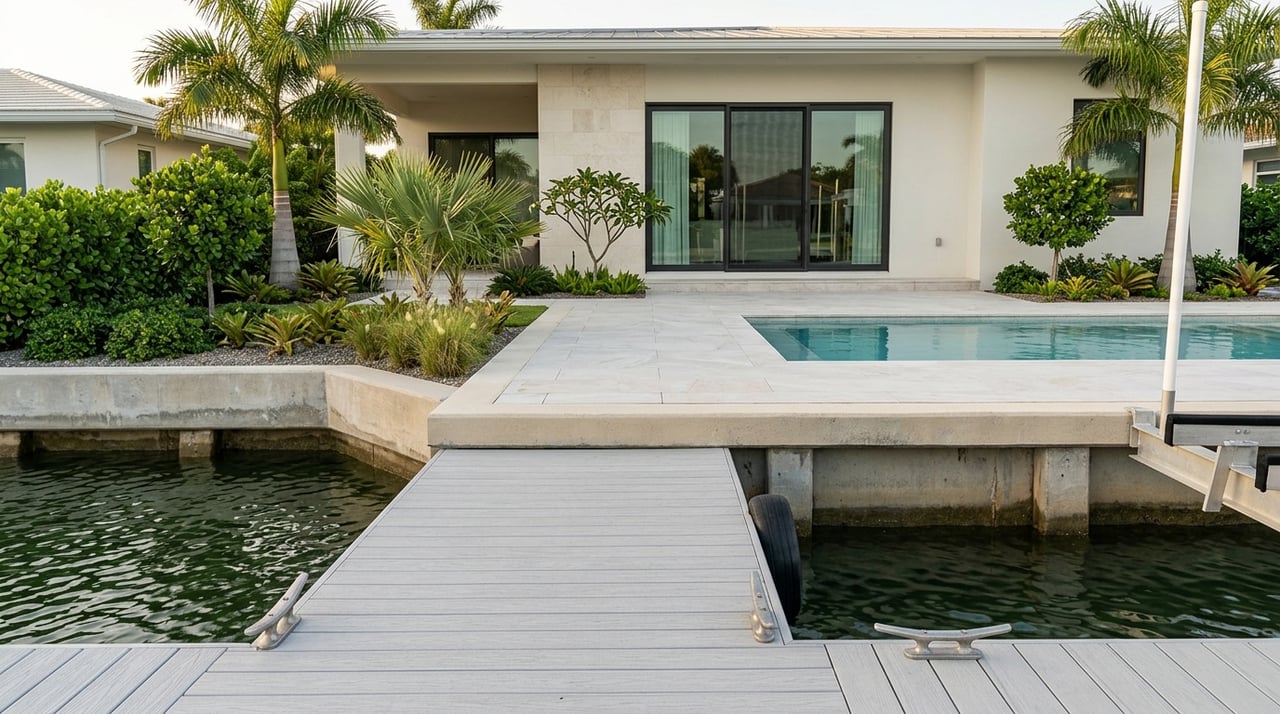
Waterfront homes with private docks, pools, and outdoor living areas often command higher nightly rates and attract families or groups that plan longer stays. The tradeoffs are higher purchase prices, insurance, maintenance, and storm-hardening needs. The right dock, usable water depth, and proximity to marinas can add to your premium. For examples of the island’s waterfront rental style and guest expectations, browse the local Marco Island listings roundup.
Marco Island is compact, but guest priorities vary by micro-market. Consider how each area aligns with your revenue plan.
You do not need a complex model to make a sound decision. You need good comps, realistic expenses, and a stress test.
Takeaway: at today’s price levels, cap rates are often modest. Your returns hinge on ADR, occupancy, HOA assessments, insurance, flood zone, and whether a building faces SIRS-driven projects. Always validate with address-level data, HOA documents, and quotes before you rely on a yield number.
A few items can swing your pro forma significantly. Make these part of your standard review.
Collect these documents and answers early so you can make a confident decision.
A smooth purchase follows a clear path:
When you are ready to explore the best-fit neighborhoods and run the numbers with local context, reach out to the team at Kevin Shelly Realty. We combine deep Southwest Florida expertise with investor-friendly guidance so you can buy with confidence.
Stay up to date on the latest real estate trends.
We take the time to understand your specific requirements and leverage our insights to find your dream home. Whether you’re a first-time buyer or searching for your forever home, our agents are dedicated to making your property search a success.