Naples Coach Home Guide: Key Things Buyers Should Know
November 21, 2025
November 21, 2025
Curious if a coach home fits your Naples lifestyle? You are not alone. Many seasonal and full-time buyers want a private garage, low upkeep, and a comfortable lock-and-leave setup. This guide explains what a coach home is, how it compares to condos and townhomes, and what to verify in Naples before you buy.
By the end, you will know how ownership type changes your responsibilities, what insurance and financing to expect in Collier County, and the key documents and inspections to complete. Let’s dive in.
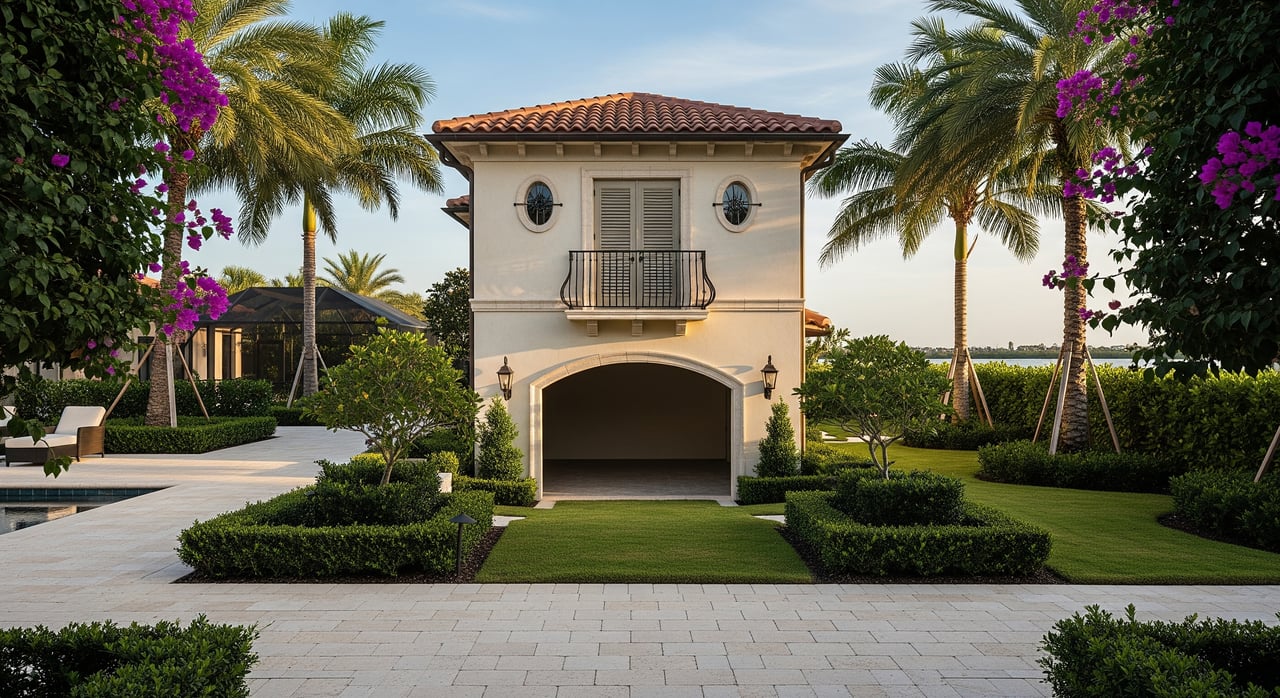
A coach home is a residence where the garage sits at ground level and the main living space is above. You may also hear the terms carriage home, coach house, or carriage house. These homes often trade a big yard for easy living and are popular with seasonal residents.
Coach homes show up in different forms:
The interior can be one level above the garage or span multiple interior levels. Some luxury or multi-unit buildings include elevators, but many coach homes do not. Always confirm elevator presence and who maintains it if one exists.
Most coach homes offer 1 to 3 bedrooms with the kitchen, living room, and bedrooms on a level above the garage. You typically get a smaller footprint than a single-family home and reduced private yard space. Many communities are designed for low maintenance, which is ideal if you plan to split time between Naples and another home.
During showings, pay attention to how the stairs feel, the garage height clearance, and storage options. If you plan to host guests in season, check guest parking availability and any rules that apply.
Ownership type drives your costs and responsibilities. In Naples, a coach home can be legally structured as a condominium or as fee-simple (similar to a townhome). Verify this first, because it affects insurance, financing, and what your association covers.
In a condominium, you typically own the interior of your unit while the association owns and maintains exterior elements, the roof, structural components, and common areas. You pay assessments that often cover exterior maintenance, landscaping, and a master insurance policy for the building structure. Review the condo documents to see exactly what is included.
Key checks for condo-form coach homes:
In fee-simple setups, you usually own the structure and the land or defined parcel. You may have an HOA that handles landscaping and amenities, but exterior maintenance and roofs can be your responsibility. Read the covenants and rules carefully to understand your obligations.
Key checks for fee-simple coach homes:
Insurance needs differ based on ownership and location. Lenders and insurers in Collier County pay close attention to wind and flood risk.
Coastal counties face higher windstorm exposure. In a condo, the association’s master policy generally covers the building shell based on its specific policy. You carry an HO-6 policy for interior finishes and personal property. In fee-simple ownership, you typically need a policy that covers the structure and contents.
Ask about wind mitigation features such as hurricane-rated windows, shutters, or roof tie-downs. These features can help manage premiums. Review the master policy if you are buying a condo unit so you understand coverage limits and deductibles.
Naples includes areas with elevated flood and storm-surge risk. If a property lies in a Special Flood Hazard Area, your lender will usually require flood insurance. Request an elevation certificate when available and check the FEMA flood zone for the address. Costs and requirements vary by zone and by the building’s elevation.
Lenders classify your property by its legal form and by the project’s health. Fee-simple coach homes are often underwritten like townhomes or single-family properties. Condo-form coach homes must meet program guidelines if you plan to use FHA, VA, or certain conventional loans.
Expect your lender to review:
If you plan to use an FHA or VA loan, confirm whether the condo project meets the program’s eligibility criteria. Early clarity can save time and keep your deal on track.
Coach homes are common in gated, low-maintenance settings, golf and country club communities, and planned developments with mixed housing types. You also find them in some age-restricted communities that emphasize convenience and amenities. These setups are attractive if you want lock-and-leave living with a private garage.
Association dues vary widely across Naples. Costs depend on what exterior items are included, the scope of amenities like pools and security, and the size and age of the association. Coastal and luxury communities often carry higher dues and taxes, while inland communities may be more modest. If you plan to rent seasonally, verify minimum lease terms and any short-term rental limits.
Key cost factors to verify:
Before you make an offer, collect and review the right documents. This helps you compare homes apples-to-apples and avoid surprises.
Documents to request:
Inspections to schedule:
Questions to ask:
Financing and insurance steps:
When you tour coach homes in Naples, look beyond finishes and staging. Small details can affect daily living and seasonal logistics.
What to check in person:
Smart questions on-site:
For added peace of mind, check Collier County resources and federal maps:
If a coach home matches your plans, line up your team and timeline. Get pre-qualified with a lender who understands Florida condo and HOA rules. Obtain insurance quotes early since wind and flood coverage can affect affordability. Schedule your inspections, and take time to review association financials and rules before you commit.
When you want local guidance on specific Naples communities, fees, and value trends, connect with the team at Kevin Shelly Realty. You will get responsive, neighborhood-level insight and clear steps to help you buy with confidence.
Stay up to date on the latest real estate trends.

We take the time to understand your specific requirements and leverage our insights to find your dream home. Whether you’re a first-time buyer or searching for your forever home, our agents are dedicated to making your property search a success.