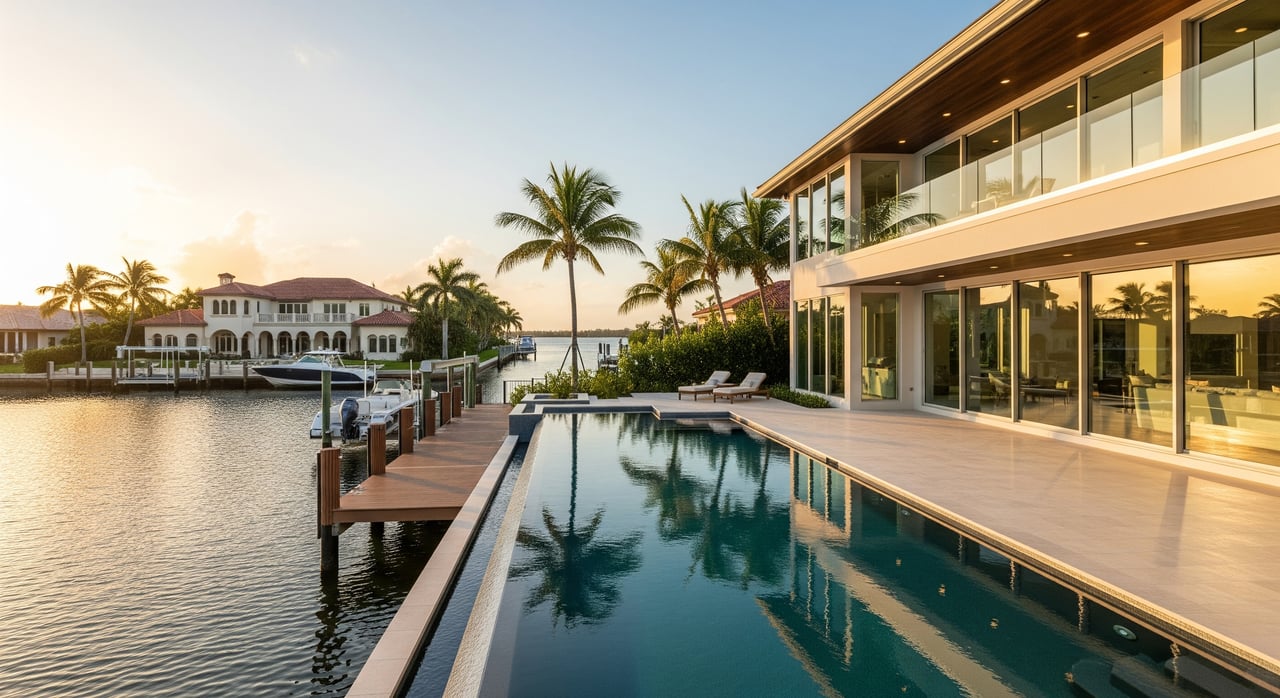
Naples New Construction vs Resale: A Buyer’s Guide
January 1, 2026
January 1, 2026
Torn between that brand-new home smell and the character of an established Naples neighborhood? You are not alone. In Collier County, timing, insurance, HOA fees, and builder incentives can make the choice between new construction and resale less obvious than it seems. In this guide, you will compare costs, timelines, warranties, risks, and negotiation strategies so you can move forward with confidence. Let’s dive in.
Naples attracts full-time relocators, seasonal residents, and second-home buyers. Activity peaks from late fall through spring, which can affect inventory and negotiation leverage. Your strategy may shift depending on when you shop.
New construction clusters in master-planned and golf communities, as well as infill condo projects near town and the coast. Resales span everything from coastal condos to established gated neighborhoods. New homes often list at a premium per square foot, but that can be offset by modern systems, energy efficiency, and warranties.
Upgrades and lot premiums matter. A base price can climb quickly when you add finishes, structural options, and a waterfront or premium-view lot. On the resale side, price and condition vary by location and wind ratings, which ties directly to insurance costs.
Closing speed depends on where the home is in the build cycle:
Expect staged deposits, selection deadlines, and defined inspection windows. You will have a final walkthrough and a punch list before closing.
Even brand-new homes deserve independent eyes. A licensed inspector can review pre-drywall items where permitted, then complete a full inspection before your final walkthrough. Plan for a punch list at closing and early settling items after move-in. Confirm the builder’s process and timeline for warranty repairs.
Most builders offer layered coverage: about one year for workmanship items, longer coverage for systems, and limited structural protection for up to 10 years through a builder or third-party warranty company. Read the warranty in full, including how to file claims and any arbitration requirements. In Florida, construction defect claims often follow a pre-suit notice process, so understand your steps before issues arise.
New communities may start with lower assessments but immature reserves. That can lead to special assessments later if long-term maintenance is underestimated. Review the HOA or condo budget, reserve study, meeting minutes, and insurance certificates before you sign.
Community Development Districts are common in master-planned areas. CDD assessments appear on the tax bill and can be significant, so ask for the bond schedule and factor it into your monthly budget.
Newer homes often earn better wind credits thanks to current Florida Building Code standards, newer roofs, and impact-rated openings. That can help with wind insurance costs. Always confirm the flood zone, request an elevation certificate if available, and price flood insurance before you go under contract, especially near waterways or in Special Flood Hazard Areas.
Resales typically close in 30 to 60 days when financing is involved, and faster for cash. This is often the quickest way to secure a specific location or to move in on a set schedule.
Order a full home inspection, WDO (termite) inspection, and any specialty checks such as roof, sewer scope where relevant, or HVAC. For older homes, your lender or insurer may ask for a 4-point or wind mitigation inspection. You can leverage inspection findings to request repairs or credits.
Established condo or HOA communities show their reserve strength in current budgets. Review reserve studies, recent meeting minutes, and any planned projects to gauge assessment risk. Taller coastal buildings face increased scrutiny and reserve expectations, so request engineering reports and recertification details when available.
Roof age, wind ratings, and elevation play a large role in premiums. Some older condos face higher wind or property insurance costs. Obtain quotes early and verify community policies, deductibles, and coverage limits that may affect you as an owner.
Builders frequently use incentives to move inventory or hit sales targets. Common offers include closing cost help, temporary rate buydowns, upgrade credits, lot premium reductions, and contributions to initiation fees. Incentives tend to be strongest during slower seasons, at quarter-end, or for homes that are already built and ready.
You may prefer newer construction for modern systems, impact-rated windows, and lower early maintenance. Plan your move well ahead of peak season. Weigh commute routes, routine insurance costs, and long-term durability against any builder timeline.
Resale condos can offer immediate occupancy and potential rental income, but you must verify community rental rules and local ordinances before you bank on short-term rentals. Newer communities may deliver extensive amenities and low-maintenance finishes, though you might wait months for completion.
A lower maintenance new home can save on repairs in the first years, yet upgrades and premiums may push your monthly payment higher. Compare the full picture over 5 to 10 years.
If you want predictable maintenance and like choosing finishes, new construction fits well. If you need a specific location, want to move quickly, or prefer more negotiation leverage, resale can be the stronger path.
Whether you want a modern new-build in a gated community or a move-in-ready gem near the beach, you deserve local guidance that puts every cost and risk on the table. Our team helps you map timelines, verify insurance and HOA details, and negotiate the right concessions for your situation. If you are ready to compare real options side by side in Naples and across Collier County, connect with Kevin Shelly Realty.
Stay up to date on the latest real estate trends.
We take the time to understand your specific requirements and leverage our insights to find your dream home. Whether you’re a first-time buyer or searching for your forever home, our agents are dedicated to making your property search a success.