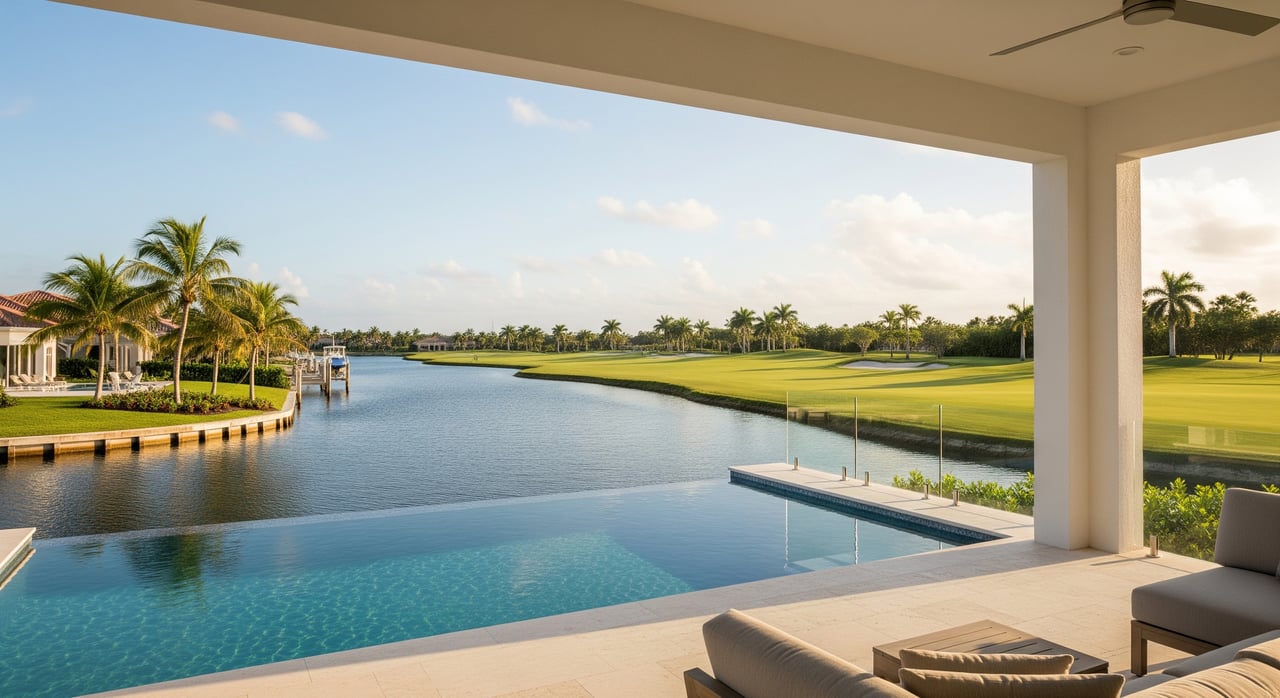
Naples Waterfront vs Golf Homes: How to Decide
February 5, 2026
February 5, 2026
Torn between mornings on the boat and afternoons on the fairway? You are not alone. Many Naples buyers weigh sunsets and dock life against golf, clubs, and green views. In this guide, you will get a clear side‑by‑side look at lifestyle, location, costs, risks, and resale so you can choose with confidence. Let’s dive in.
Choosing between waterfront and golf living in Naples often comes down to how you want to spend your days and what ongoing costs you are willing to carry.
If you love dock time and sunsets, waterfront may fit. If you want a built‑in social scene and daily tee times, golf communities shine.
Waterfront buyers in Naples often seek boating, fishing, paddle sports, and easy beach time. Central and south Naples pockets like Old Naples, Port Royal, and Aqualane Shores place you close to downtown dining and cultural options. Canal and bay homes may offer direct Gulf access, but depth, tides, and route matter. Expect some seasonal activity near public beach points and boat traffic in active canals.
Many waterfront options are single‑family homes with private docks. You will also find condos and low‑rise complexes with shared seawalls and common dockage. Privacy, boat noise, and wake can vary by canal and location, so walk the area at different times of day.
Golf‑course living brings daily golf, practice facilities, club dining, fitness, tennis, and a steady social calendar. Neighborhoods are often gated, with limited through traffic and well‑maintained common areas. Expect peace and green views, along with early morning maintenance and the occasional golfer near your lot line if you live along a fairway.
Membership structures differ. Some communities require you to join a club, others offer optional memberships for golf or social access. Review the membership terms closely before you write an offer.
Waterfront neighborhoods closer to downtown place you near 5th Avenue, shopping, and high‑end beaches. Many golf communities sit more inland, which can add drive time to the Gulf. If healthcare access is a priority, consider proximity to local hospitals and clinics along with daily errands. You will find both waterfront and golf options within short drives across Collier County.
Most properties fall under an HOA, a condominium association, or both within a master association. Expect fees to cover common area maintenance, landscaping, and amenities. Condo fees are usually higher because they include building exterior, roof, elevator, master insurance, and reserves. Review the budget, reserves, and recent meeting minutes to gauge financial health and any past or planned special assessments.
Key documents to request include CC&Rs, bylaws, budgets, financial statements, reserve studies, master insurance declarations, meeting minutes, and rules. Pay attention to rental rules, especially if you plan seasonal rentals.
If you buy in a golf community, cost items may include an initiation fee, ongoing dues, cart fees, food and beverage minimums, and capital assessments for course projects. Some communities tie membership to homeownership, others allow it to be optional. Ask about membership caps, transfer rules, and any current or planned capital projects.
Budget for windstorm and hurricane coverage. Many policies carry higher deductibles for named storms. If you buy a condo, review what the master policy covers and what you must insure separately.
Waterfront properties often sit in FEMA flood zones, and standard homeowners policies do not cover flood. Lenders may require flood insurance. Premiums depend on your Base Flood Elevation and elevation certificate data. Obtain quotes early and compare NFIP and private options.
If you own on the water, you may be responsible for seawall and dock maintenance, permits, and future replacement. These are large capital items. Ask for permit history, date of construction, and maintenance records for any seawall or dock. Some communities manage shared seawalls, which can lead to community special assessments when large projects are needed.
Collier County property taxes apply. Some developments include special improvement or maintenance districts that add assessments. Confirm current millage, any special district fees, and whether projects are planned.
Sea level rise, storm surge, and more frequent intense storms add long‑term considerations for waterfront buyers. Even canalfront homes away from the shoreline can see groundwater or tidal concerns over time. Insurance affordability and availability can shift with market conditions, which may affect buyer demand.
Courses can be renovated, downsized, or, in rare cases, converted if they are not financially sustainable. That can change views and lifestyle expectations. Review club ownership, recent capital projects, past changes, and any public redevelopment discussions.
Gulf‑front and Old Naples waterfront homes often command premium pricing and see tight inventory, yet they can experience sharper swings after major storm events. Golf‑course homes can draw a broad buyer pool at mid‑market price points, which may support faster sales in stable conditions. For condos, the HOA financials, building condition, and lending rules around reserves and occupancy matter a great deal for resale.
Use these questions to align your choice with your lifestyle and risk tolerance.
If you are still torn, walk a few communities in person, ride the cart paths, visit marinas, and time your drive to downtown and the beach. Then review insurance quotes and association documents before you fall in love with a view. A smart choice blends lifestyle fit with a clear view of costs and risk.
When you are ready, connect with a local team that lives and works this market every day. The team at Kevin Shelly Realty can help you compare Naples waterfront and golf communities, line up insurance and inspection pros, and negotiate the right terms for your goals.
Stay up to date on the latest real estate trends.
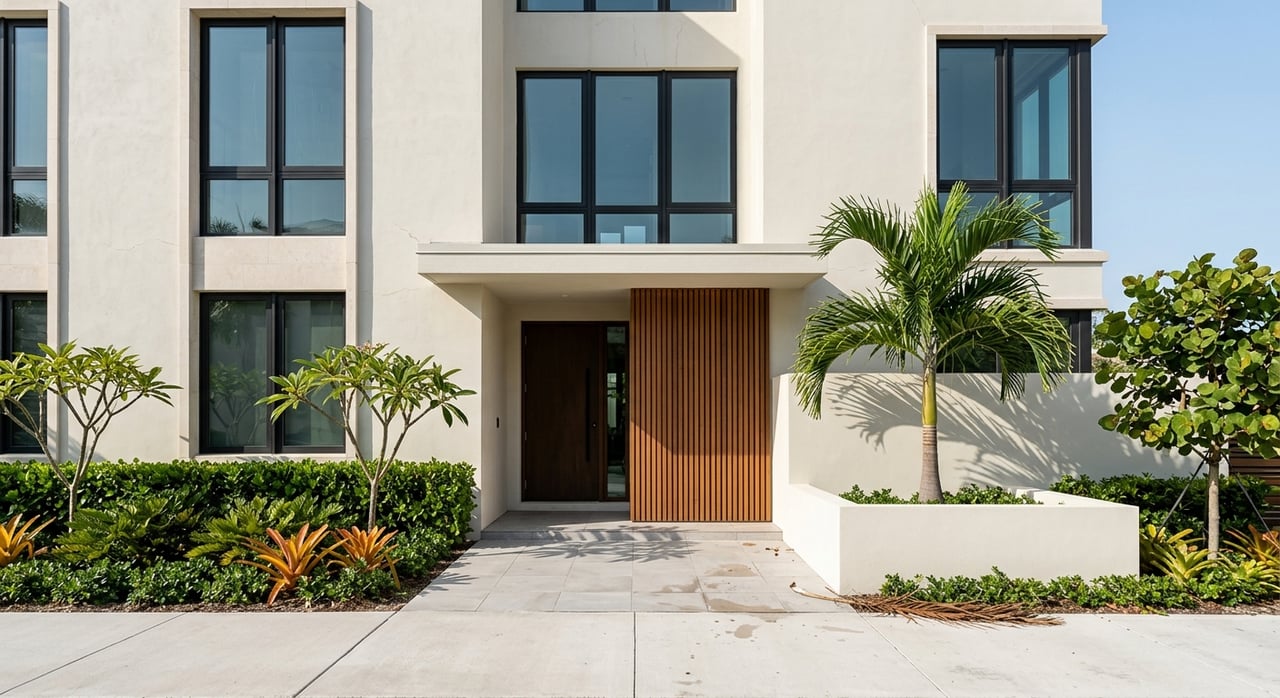
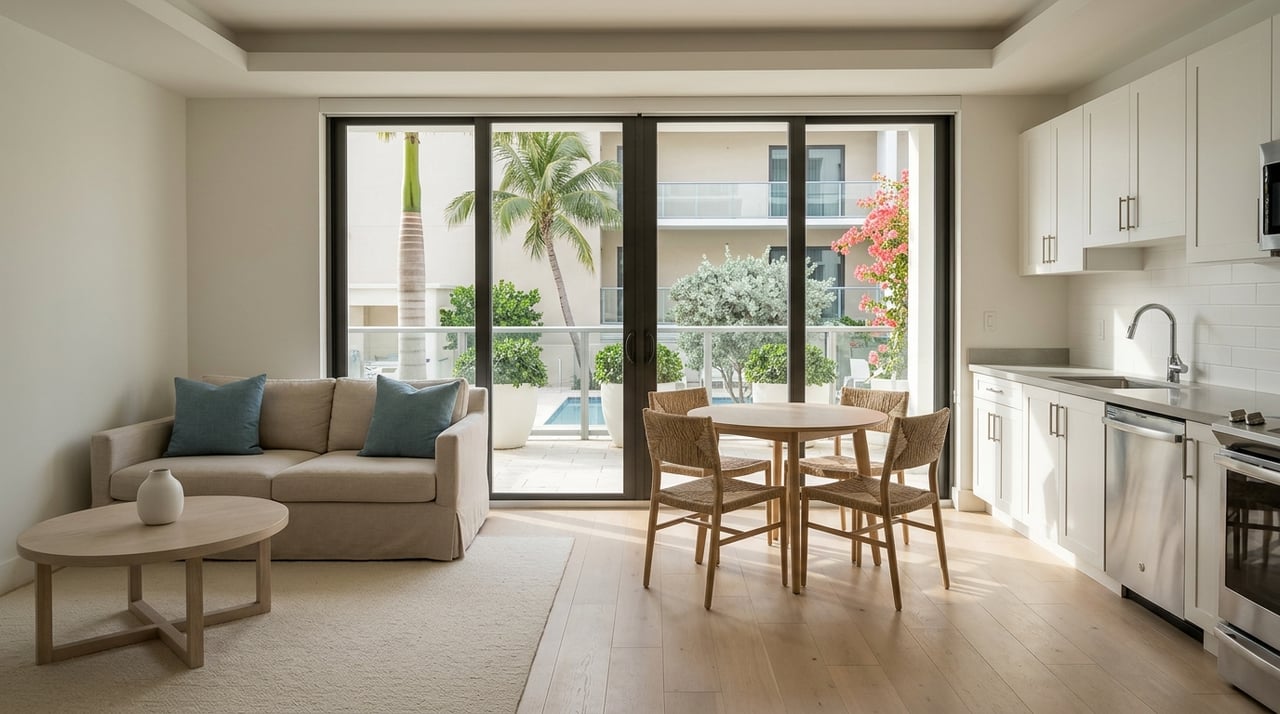
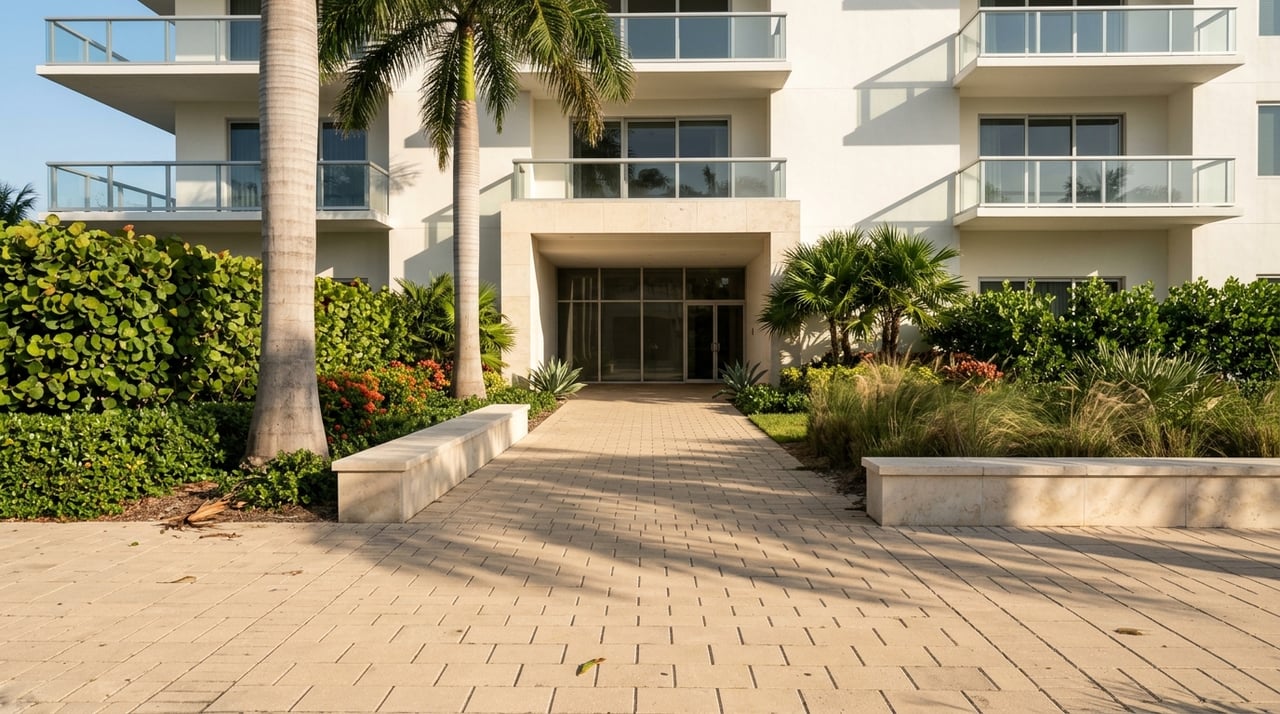
We take the time to understand your specific requirements and leverage our insights to find your dream home. Whether you’re a first-time buyer or searching for your forever home, our agents are dedicated to making your property search a success.