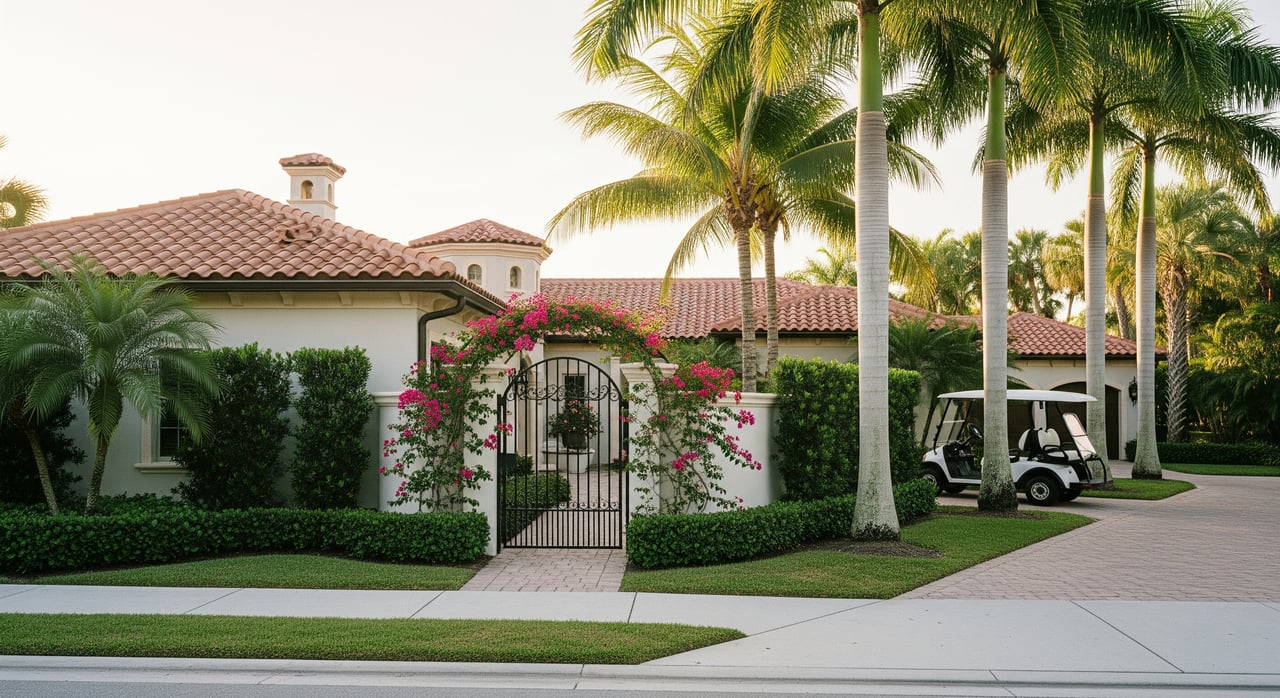
Everyday City of Naples Local Rules for Newcomers
October 16, 2025
October 16, 2025
Just moved to Naples and wondering what you can and cannot do day to day? You are not alone. From beach parking to lawn watering times, a few local rules will make life here smoother. This guide highlights the essentials with links to official sources so you can settle in with confidence. Let’s dive in.
Before you apply any rule, confirm whether your address is inside the City of Naples or in unincorporated Collier County. The two jurisdictions set different standards for parking, rentals, and permits. When in doubt, start with the City of Naples pages and the county’s resources. The city’s online portal for permits is a handy reference if you plan any projects: the City of Naples electronic permitting guide.
Inside city limits, the City of Naples provides water and sewer service. New accounts require an application, and for closings you should contact Utilities a few days ahead for final meter reads. For weekly service, residential garbage is picked up twice each week, and you must place containers curbside by 7 a.m. on collection day. Review pickup limits, bulk-item scheduling, and holiday changes on the City residential collections page.
Naples enforces an odd/even irrigation plan to conserve water. Odd-numbered addresses water on Monday, Wednesday, and Saturday; even-numbered addresses water on Tuesday, Thursday, and Sunday. Automatic systems are generally allowed in the early morning window (12:01 a.m. to 8:00 a.m.), and hand-watering has separate limited times. Rules can tighten during shortages, so always check the latest Naples watering restrictions.
City and county beaches prohibit glass and open fires, and City of Naples beaches do not allow dogs. Alcohol is prohibited on the Naples Pier, and vehicles are not permitted on dunes. For a quick primer, see the Naples Police beach patrol guidance.
Many beach ends use permit-only parking for residents, with visitor metered options elsewhere. Eligibility, locations, and meter rates are outlined on the beach parking permits page. Note that many beach spaces prohibit parking from 11 p.m. to 5 a.m., and citations carry fines listed on the city’s finance pages.
Naples has quiet-hour standards and distance-based noise limits for amplified sound and mechanical equipment. You can review specifics in the city’s noise ordinance. The city also bans gas-powered leaf blowers; only electric or battery blowers are allowed. For sign limits, including real estate and open-house signage, check the City code enforcement FAQs.
Storing RVs, boats, or trailers in front or side yards is restricted. City FAQs note a 48-hour limit for certain vehicles in these areas, and longer storage can trigger violations. If you need temporary RV parking or staging for a project, verify the rules and any required permissions through Code Enforcement.
Many Collier County parks allow leashed dogs in non-restricted areas, and designated dog parks are available with proper licensing and vaccinations. Naples city beaches generally prohibit dogs, so plan dog outings at parks or dog-friendly spaces away from the beach. When in public, follow posted leash and cleanup requirements.
From roughly May 1 through October 31, nesting sea turtles need dark beaches. Keep beachfront lighting long, low, and shielded, and remove furniture at the end of the day. Fill any holes before you leave. For background and tips, review the FWC sea turtle nesting guidance.
If your property is inside the City of Naples, rentals are generally 30 days or longer. You may rent for fewer than 30 days up to three times per calendar year, and you cannot advertise for less than 30-day stays. The city explains details in its short-term rental FAQ. If your home is in unincorporated Collier County, the county requires registration for short-term rentals. Start with the county’s short-term vacation rental registration page.
Do not assume home improvements are permit-free. Re-roofs, impact windows, pool work, and many exterior repairs require permits and inspections under the Florida Building Code. Begin with the city’s electronic permitting guide, and coordinate with your HOA or condo board for any required approvals. Florida law protects your right to install code-compliant hurricane protection, but association specifications and city permits still apply.
Know your evacuation zone and plan ahead. Shelters are a last resort, so line up alternatives with friends, family, or hotels inland. If someone in your household has special medical needs, check local eligibility for special-needs programs and register in advance of storm season. Flood insurance and elevation certificates are often critical near the coast, so discuss coverage early when you purchase.
Ready to buy, sell, or explore neighborhoods where these rules make the most difference? Get local guidance from a team that lives and works here. Connect with Kevin Shelly Realty to move forward with confidence.
Stay up to date on the latest real estate trends.
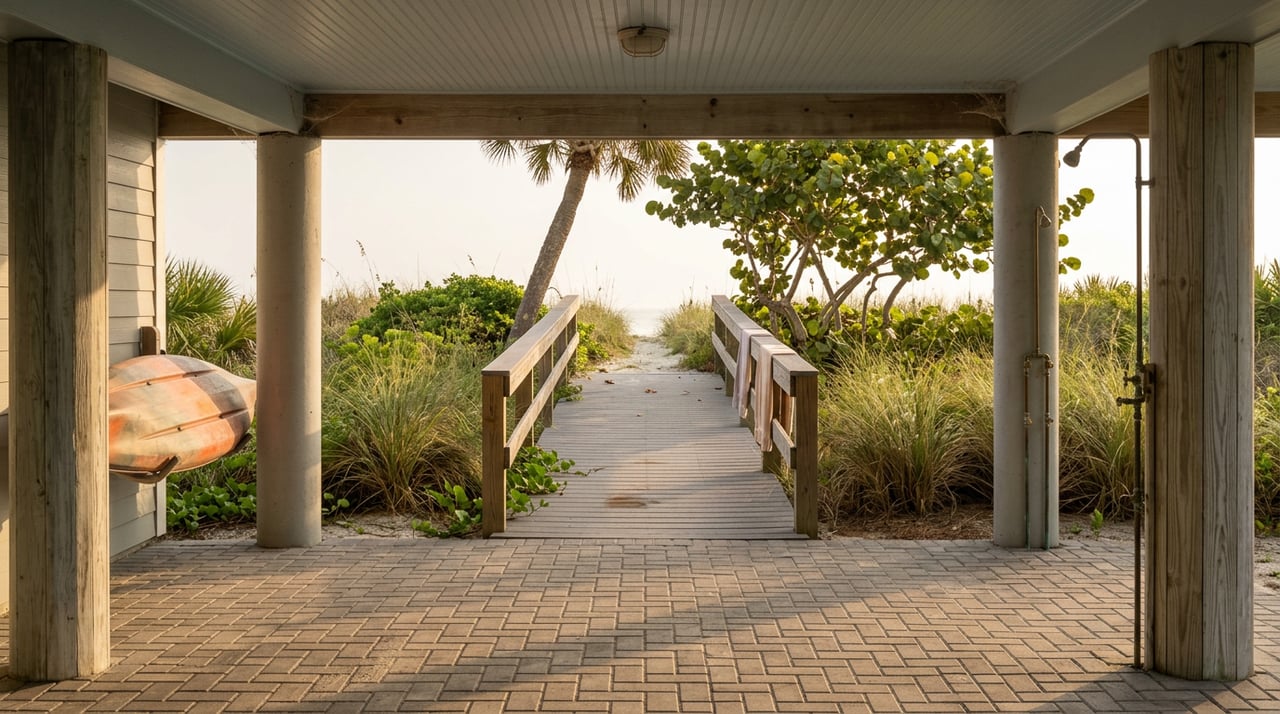

We take the time to understand your specific requirements and leverage our insights to find your dream home. Whether you’re a first-time buyer or searching for your forever home, our agents are dedicated to making your property search a success.