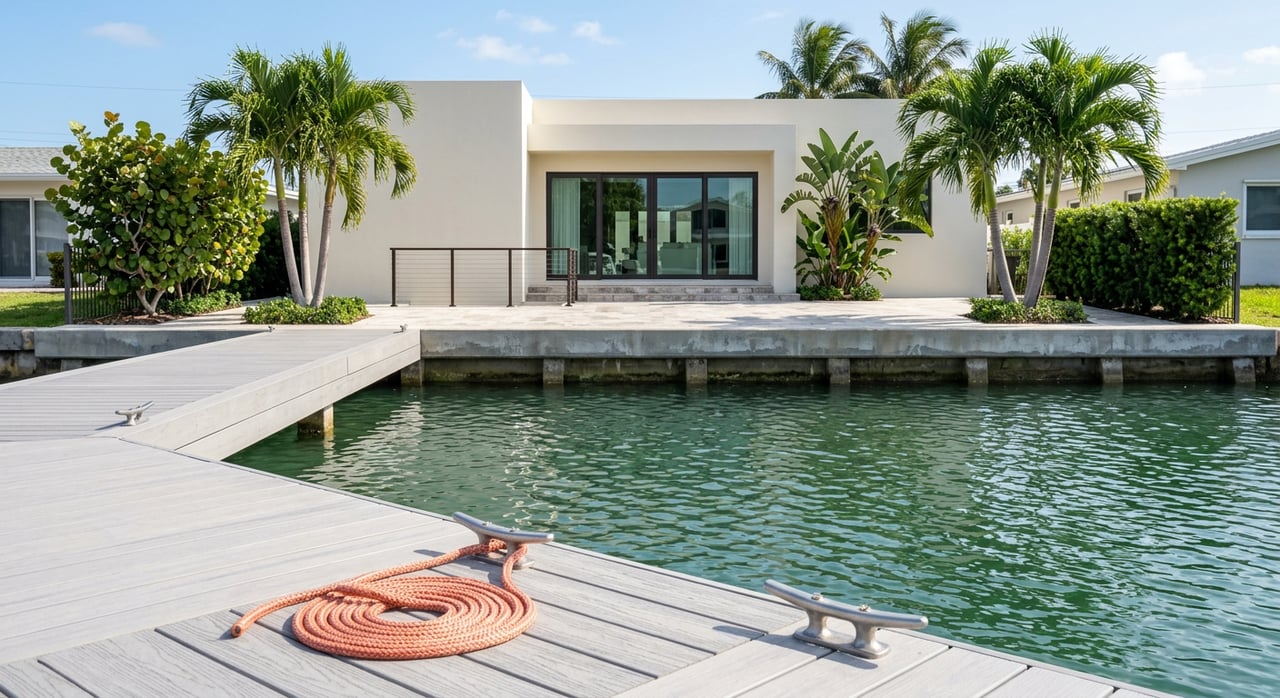
Sea Turtle Lighting Rules for Naples Beachfront Homes

November 6, 2025

If you own or are planning to buy a Naples beachfront home, your exterior lighting does more than set a mood. It can make or break a permit, delay a closing, and affect sea turtle nesting success along Collier County beaches. You want a setup that is beautiful, safe, and compliant during nesting season. In this guide, you’ll learn the rules, design tips, and a step-by-step checklist to pass inspections and avoid costly retrofits. Let’s dive in.

Why the rules exist

Sea turtles rely on the natural glow of the horizon over the Gulf to find the water. Artificial light visible from the beach can disorient adults and hatchlings, drawing them inland and increasing mortality. Naples and Collier County enforce dark-beach standards to protect loggerhead and green turtles that use our shoreline. If your lights are visible from the beach during nesting months, expect enforcement or permit conditions.

Nesting season timing

In Florida, nesting season generally runs from March 1 through October 31. Local agencies apply lighting restrictions during these months. Because dates and outreach efforts can vary, confirm the current season each year with Collier County and the Florida Fish and Wildlife Conservation Commission (FWC). Planning around this calendar helps you schedule work and inspections without surprises.

Who regulates lighting

Several agencies play a role in beachfront lighting, permits, and enforcement.

FWC guidance

FWC provides statewide sea turtle lighting recommendations, including fixture types, bulb spectra, and control strategies. Their guidance is the standard technical reference reviewers expect you to follow.

FDEP and the CCCL

The Florida Department of Environmental Protection (FDEP) administers the Coastal Construction Control Line (CCCL) program. Projects near or seaward of coastal control lines often include lighting review as part of shoreline or structure permits.

Collier County and City of Naples

Local building, zoning, and natural resources staff enforce lighting rules, review plans, and conduct inspections. You may be asked for a lighting plan, cut sheets, and proof that no light sources are visible from the beach. Some projects also require post-construction verification at night.

Federal roles

NOAA Fisheries and the U.S. Fish and Wildlife Service oversee protected species at the federal level. Their involvement is more common for large or federally funded projects, but their standards inform best practices.

Turtle-friendly design basics

Turtle-friendly” lighting means people can safely use outdoor spaces while the beach stays dark from the shoreline’s perspective. Focus on keeping light invisible from the beach, using the lowest practical output, and choosing wavelengths less attractive to turtles.

Core principles

  • Do not allow any lamp or bright reflection to be visible from the beach.
  • Minimize intensity and duration; use the lowest lumens needed for safety.
  • Choose long-wavelength, amber-toned light over white or blue-rich light.
  • Direct light downward and inland, away from the shoreline.

Fixtures and placement

  • Use full-cutoff, downlighting fixtures so no light escapes above the horizontal plane.
  • Keep mounting heights low and aim beams at pathways or driveways, not seaward.
  • Favor recessed step lights, shielded bollards, and low-glare options that light only the immediate walking surface.

Bulbs and color

  • Select low-intensity, long-wavelength amber/yellow/orange LEDs labeled as turtle-friendly.
  • Prefer dimmable fixtures and tune to the lowest practical setting.
  • Avoid bright white, cool white, or blue-rich LEDs. These travel farther and are more likely to disorient turtles.

Shields and louvers

  • Add fixed external shields or louvers to block lateral and seaward spill light.
  • Ensure the lamp or LED array cannot be seen from the beach.
  • Maintain shielding over time so angles and glare stay controlled.

Interior and glazing

Interior light can be visible through windows and doors that face the Gulf. Combine:

  • Blackout curtains or dark shades for beach-facing rooms.
  • Exterior shutters or rollers if appropriate to the design.
  • Tinted or laminated glazing to reduce light transmission. Confirm whether glazing alone is acceptable or if additional measures are required for your permit.

Controls and temporary lighting

  • Put exterior lights on timers or motion sensors with low intensity and short durations.
  • If nighttime construction is unavoidable during nesting season, use fully shielded amber temporary lighting. Avoid unshielded floodlights.

Reflection and landscaping

  • Avoid high-gloss finishes, bright hardscapes, and reflective water features that bounce light toward the beach.
  • Landscaping can help screen views but is not a substitute for proper fixture shielding.

Permits and inspections in Collier County

Lighting often affects permits, certificates of occupancy, and construction schedules. Plan to document compliance and verify it at night.

What to include in your permit package

  • A lighting plan showing fixture locations, mounting heights, shielding details, lamp types, and spectra.
  • Elevations and site plans that illustrate lines of sight from the beach.
  • Construction notes stating lights will be off or turtle-friendly during nesting season.

Submitting a compliant plan early helps you avoid re-submittals that slow down coastal permits and building approvals.

Night inspections and verification

Local officials may require nighttime photographs or an inspection to confirm that no light sources are visible from the beach. Some projects receive a temporary CO with a requirement to correct lighting issues before final sign-off.

Common pitfalls to avoid

  • Providing only fixture cut sheets without showing shields or seaward orientation.
  • Relying on interior blinds without testing nighttime visibility from the beach.
  • Installing bright landscape or architectural uplighting that can be seen from the shoreline.
  • Choosing energy-efficient but inappropriate cool white or high-lumen LEDs.

Noncompliance consequences

Expect potential stop-work orders, fines, retrofit requirements, and delays in issuing final occupancy. For rentals, repeated noncompliance can trigger increased scrutiny. Clear renter guidelines during nesting season are essential.

Step-by-step compliance checklist

Use this action plan to design, submit, and verify a turtle-friendly lighting setup.

Pre-design

  • Check current Collier County and City of Naples requirements and FWC recommendations.
  • Walk the site at night to identify any views from the shoreline to the home.
  • Include turtle-friendly standards in bid specs and contractor scopes.

Design and selection

  • Specify full-cutoff, downcast fixtures with shields and louvers.
  • Choose amber/turtle-friendly LED sources with low lumen outputs and dimmable drivers.
  • Place fixtures inland; avoid seaward-facing or uplighting.

Glazing and interior mitigation

  • Plan blackout shades or exterior shutters on beach-facing façades.
  • Include tinted or laminated glass if recommended by reviewers.
  • Add occupant guidance to close blinds and limit visible interior lighting at night.

Controls and construction

  • Add timers and motion sensors with low intensity and short activation windows.
  • Require shielded amber temporary lighting for any after-dark work in season.
  • Schedule a nighttime mock-up test before final inspection.

Permit submission

  • Submit a complete lighting plan with cut sheets, spectra, mounting heights, and shielding.
  • Provide photos or annotated sightlines showing no visible light from the beach, or agree to a field verification.
  • Keep manufacturer spectral and photometric data available for reviewer requests.

Post-installation

  • Conduct a nighttime compliance test during nesting season; document with dated beach-view photos.
  • Give owners and rental managers simple operating rules for nesting season.
  • Plan maintenance checks to ensure shields stay aligned and bulbs remain turtle-friendly.

For buyers and sellers

If you are buying a beachfront property, ask for the existing lighting plan, any turtle-friendly upgrades, and recent nighttime photos taken from the beach during nesting season. Build correction costs into your due diligence. If you are selling, completing a quick lighting audit and documenting compliance can reduce buyer objections and keep your closing on track. A clear, turtle-friendly plan supports a smoother permit path for remodels and protects your property’s marketability.

Ready to plan your lighting strategy?

You do not have to trade safety or style to protect Naples sea turtles. With the right fixtures, controls, and documentation, you can enjoy your home and keep the beach dark during nesting season. If you’re preparing to buy, sell, or remodel along the Gulf, our local team can help you navigate lighting rules, coordinate plan submittals, and avoid delays. Connect with Kevin Shelly Realty to align your property goals with a compliant, turtle-friendly design.

FAQs

When are lighting restrictions in Naples active?

  • Generally March 1 through October 31, but verify dates each year with FWC and Collier County.

What does turtle-friendly lighting mean for my home?

  • Shielded, downcast, low-intensity, long-wavelength (amber) lighting that is not visible from the beach.

Is tinted glass alone enough to comply?

  • Often not. Most reviewers prefer glazing plus shields, window treatments, and proof that no light is visible from the beach.

Can I use motion-activated lights during nesting season?

  • Yes, if set to low intensity, short durations, and paired with shielding that keeps light from reaching the beach.

Who inspects and enforces turtle lighting rules?

  • Collier County and City of Naples building or natural resources staff review and inspect; FWC provides technical guidance.

What happens if my lighting is noncompliant?

  • You may face retrofits, fines, stop-work orders, or delays in your final occupancy—issues you can avoid with a compliant plan and nighttime test.

Work With Us

We take the time to understand your specific requirements and leverage our insights to find your dream home. Whether you’re a first-time buyer or searching for your forever home, our agents are dedicated to making your property search a success.